
Last updated November 22, 2026
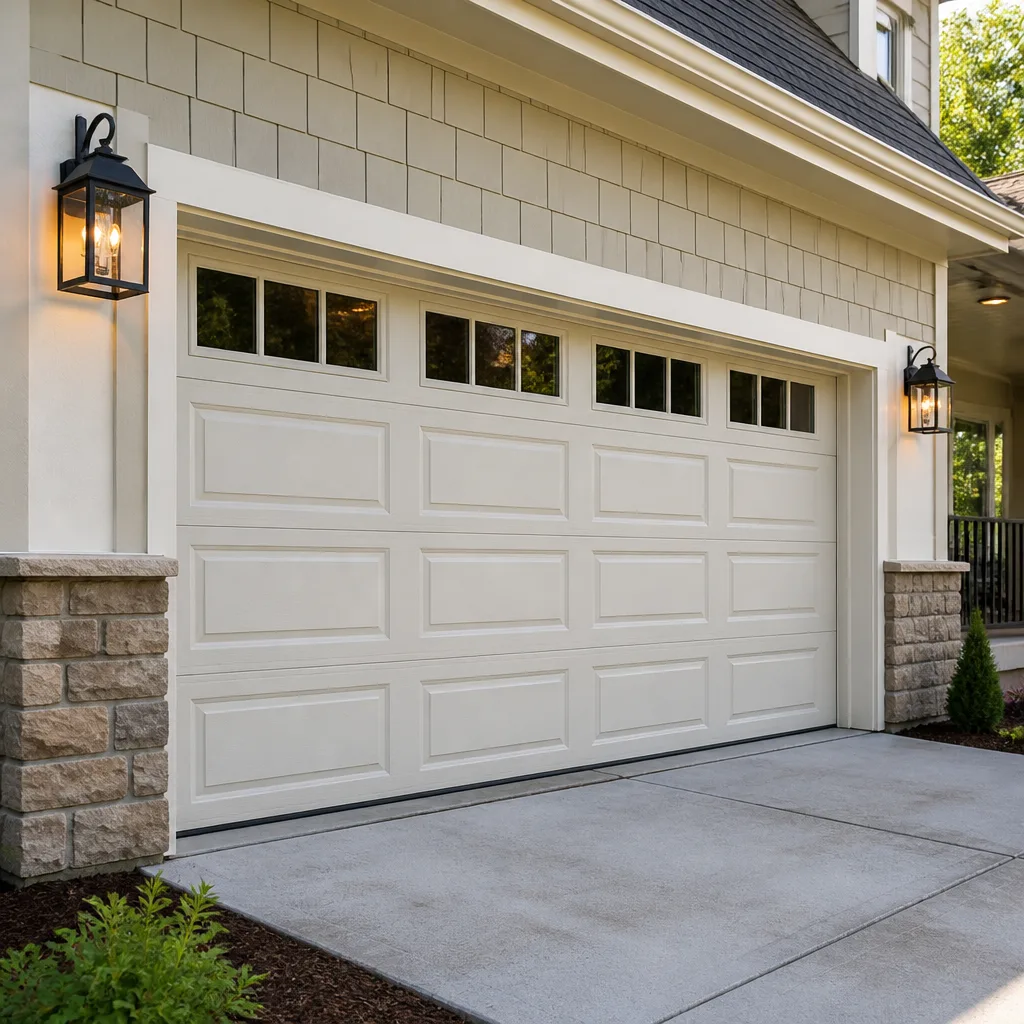 Raised-panel steel
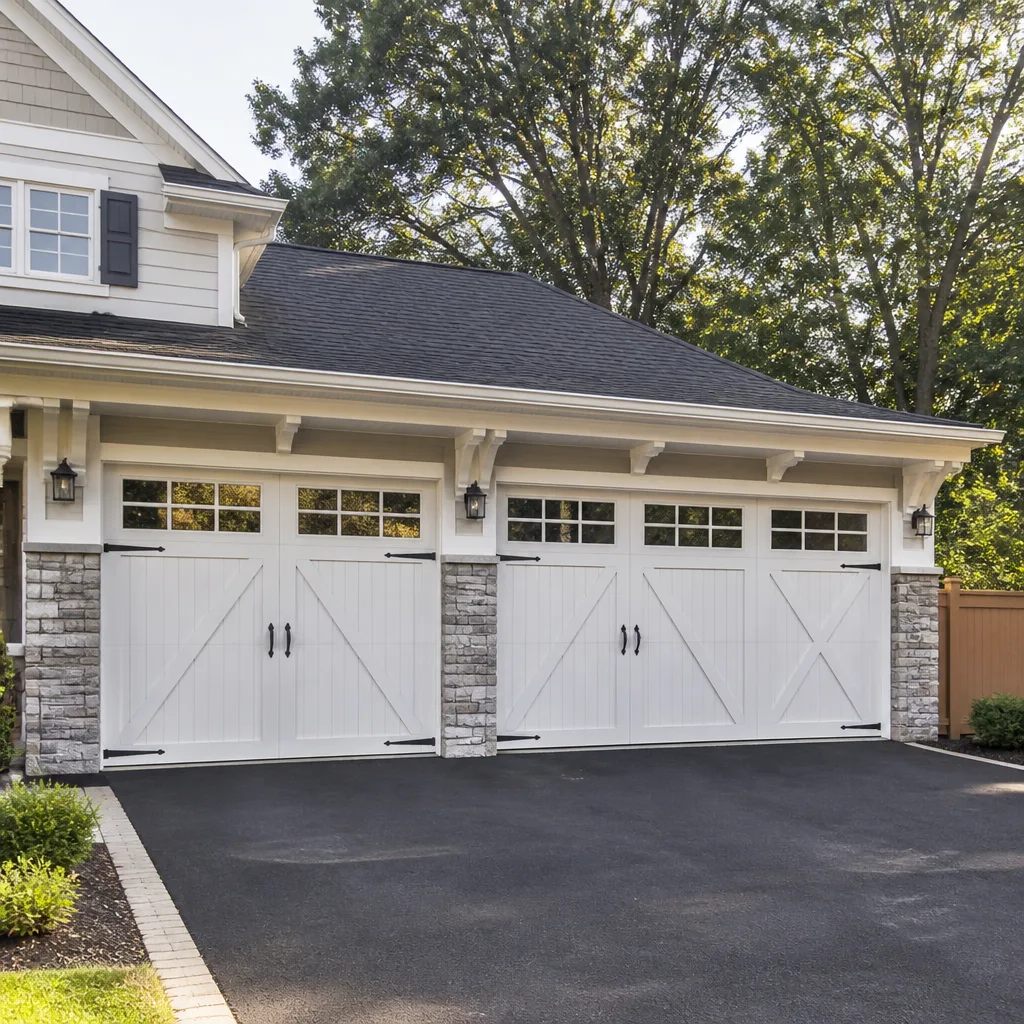 Carriage house
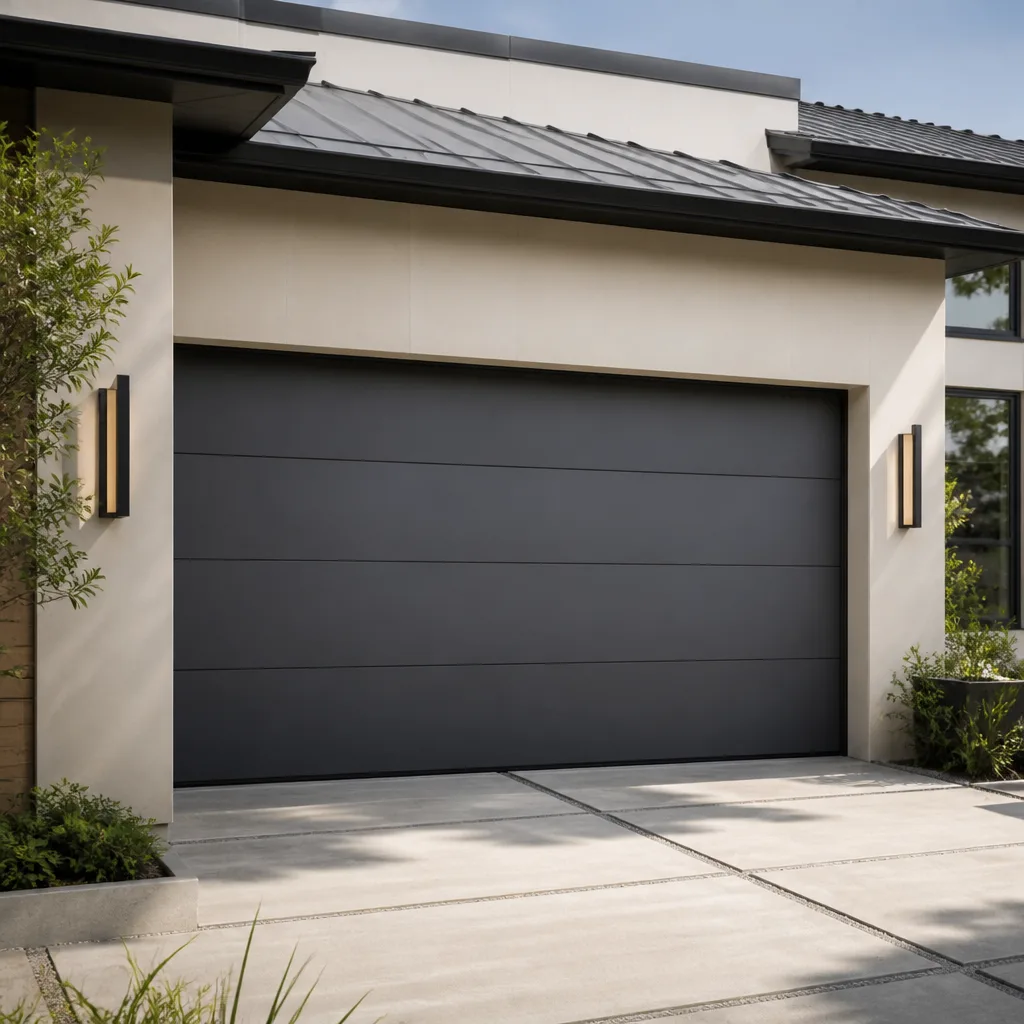 Modern flush
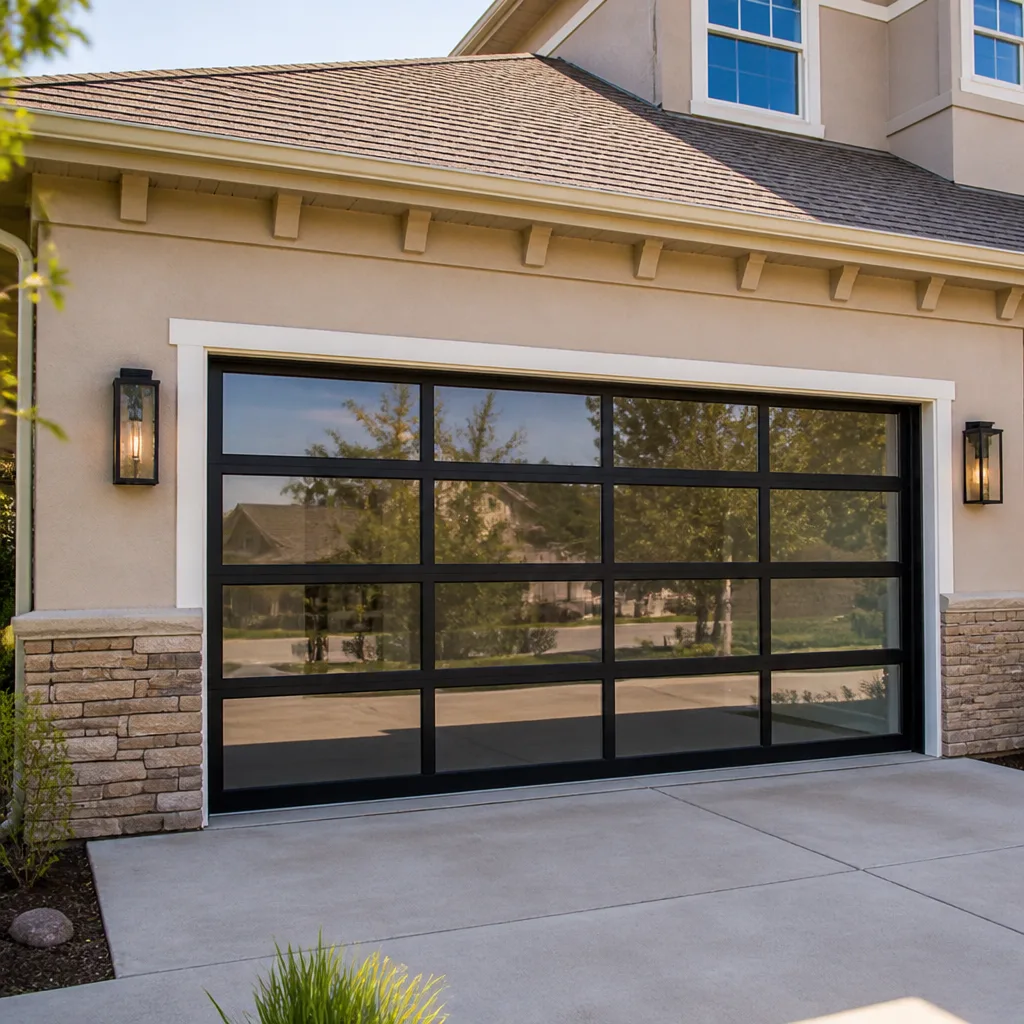 Full-view glass
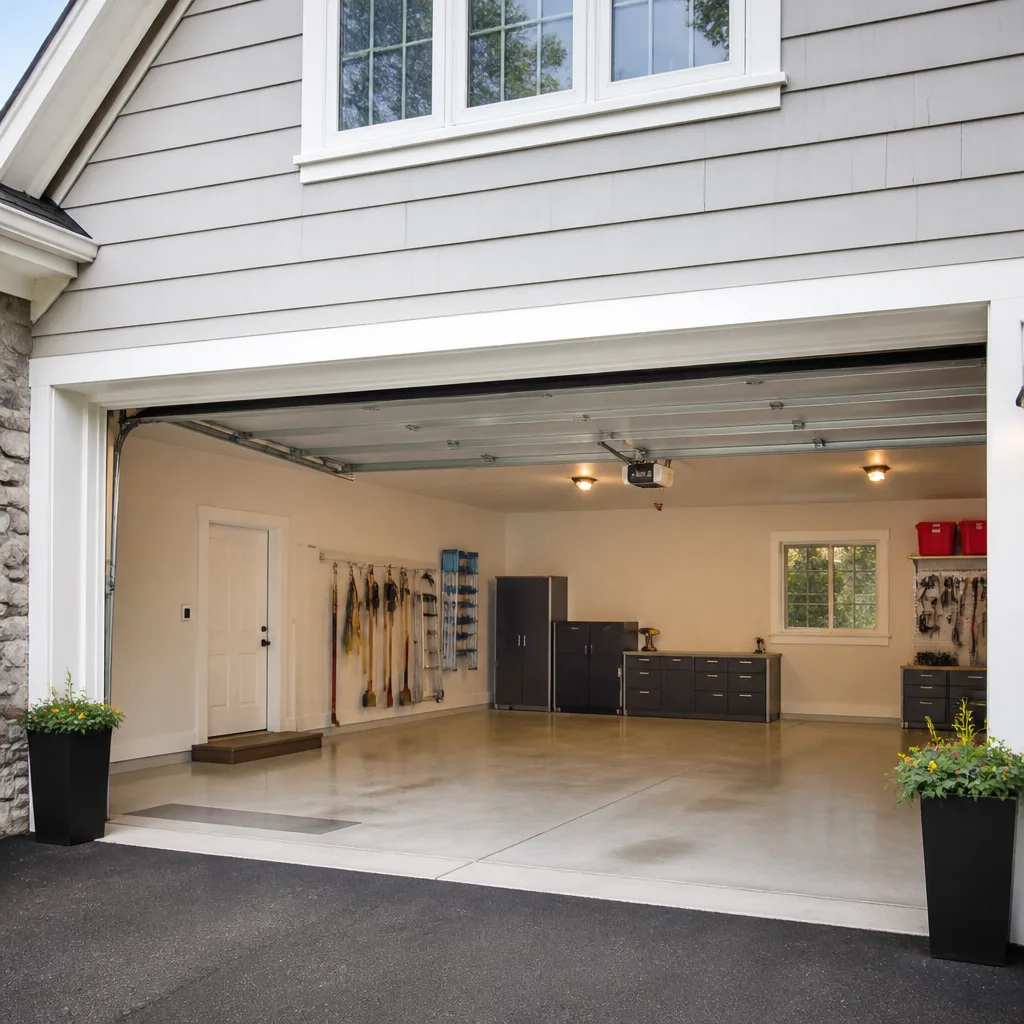 LiftMaster openers
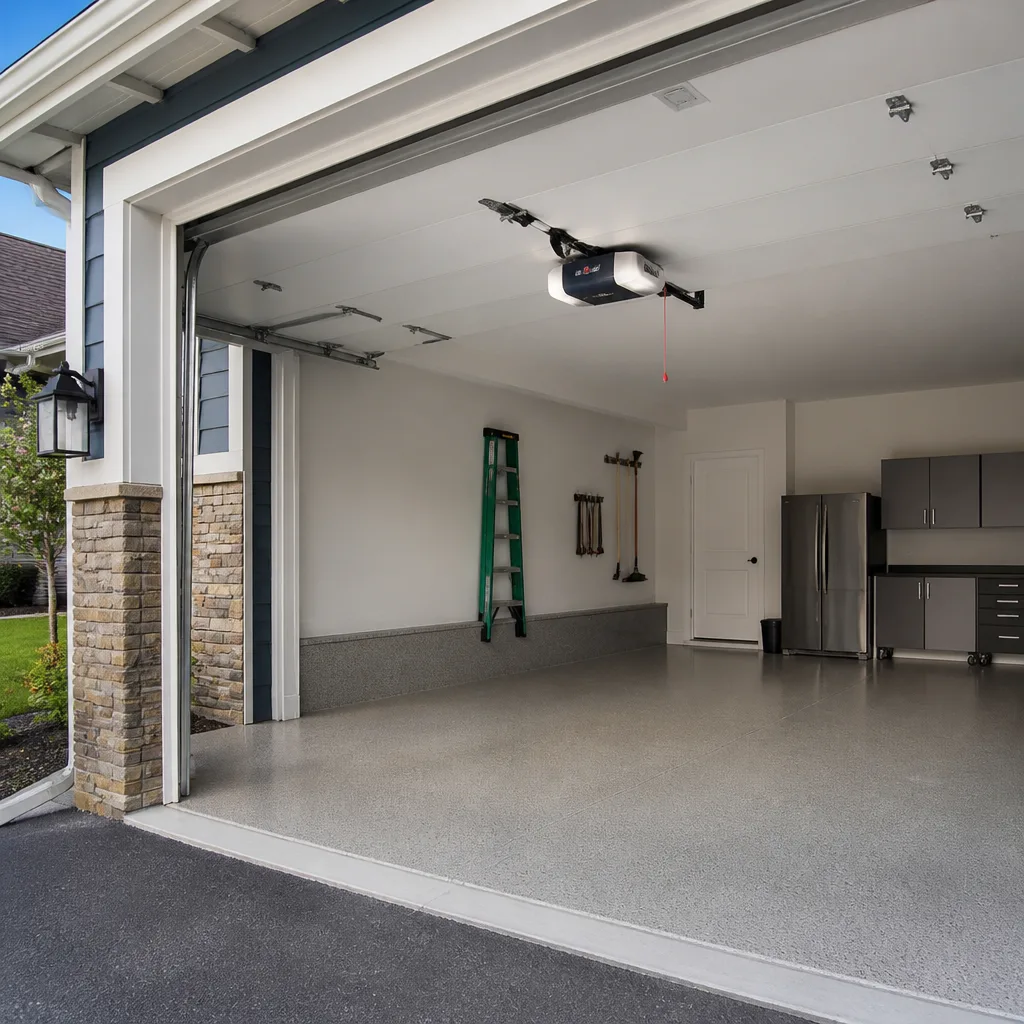 Chamberlain openers
Full 25-point door and opener safety check with every visit - springs, cables, rollers, tracks, and your LiftMaster or Chamberlain opener included
You get a price before we start. It does not change when the pro arrives.
Get your free estimateChoosing the Right Garage Door Brand: A Buyer’s Guide for Deltona
A steel door that earns top marks in a climate lab was tested somewhere else. Not in Deltona’s mix of summer humidity that sits near 90% for weeks and afternoon sun that fades and warps a finish within three to five years. That gap between lab conditions and real Central Florida conditions is why spec sheets mislead. A door or opener that performs beautifully in a dry, mild climate can struggle here, and the brand that looks best on paper isn’t always the one that holds up on a west-facing wall in Deltona. This guide compares how materials and brands actually behave in our heat, sun, and storm season, how local parts availability affects repair timelines, and what a warranty really covers once humidity gets involved.
Quick Answer
The best garage door brand for Deltona is the one whose materials handle humidity and UV, whose parts are available locally, and whose wind rating meets Florida code for your opening, not the one with the flashiest brochure. For most Deltona homes, a properly spec’d steel door from Clopay or Amarr paired with a LiftMaster or Chamberlain opener strikes the best balance of durability, parts support, and repair speed. Wood and wood-composite doors look great but demand more upkeep in Florida’s climate, and any brand is only as good as the local availability of its parts.
Styles & brands we work with
- Raised-panel steel
- Carriage house
- Modern flush
- Full-view glass
- LiftMaster openers
- Chamberlain openers
Table of Contents
- Why Central Florida Humidity Changes the Brand Conversation
- How Steel, Aluminum, Wood Composite, and Fiberglass Hold Up in Deltona
- What Florida Wind Load Ratings Actually Mean
- Local Parts Availability: The Hidden Cost of an Exotic Brand
- Matching Door Specs to Your Garage’s Orientation
- Manufacturer Warranty vs. What’s Actually Enforceable in Florida
- Opener Brands: Smart vs. Legacy Systems
- Common Mistakes to Avoid
Why Central Florida Humidity Changes the Brand Conversation
Most garage door brand comparisons are written for a national audience, and that’s the first problem. A door is judged by how it handles heat, moisture, sun, and wind, and Deltona serves up a specific combination of all four. Summer humidity here climbs toward 90%, and the afternoon sun hits hard and long. That pairing stresses finishes, joints, and hardware in ways a mild-climate test simply won’t reveal. In our experience across Deltona service calls, the failures that show up most are finish-related: fading, peeling, and warping on doors that weren’t built or finished for this environment.
What that means for brand selection:
- Finish systems matter as much as steel gauge. A heavier steel door with a weak finish coat can fail faster in Deltona than a lighter door with a baked-on, UV-resistant finish.
- Hardware and hinges take a beating. Humidity works on fasteners, rollers, and springs, so brands with quality hardware hold up better than those that cut corners here.
- Ventilation inside the garage matters too. A door that seals too tightly can trap moisture, which affects wood and composite panels even if they’re rated for exterior use.
This is why we don’t recommend picking a brand off a national ranking list. The right question isn’t “which brand scores highest in a lab?” It’s “which brand’s materials and finishes are built for Deltona’s climate?” A door that’s average in a dry climate but excellent in humidity beats a door that’s the reverse, and the difference shows up in year four, not month one. That’s the framing we use when we talk through options with homeowners planning a replacement.
How Steel, Aluminum, Wood Composite, and Fiberglass Hold Up in Deltona
Material choice drives durability here more than brand loyalty does. A top-tier brand’s wood door will need more attention in Deltona than a mid-tier brand’s steel door. Here’s how the four common materials actually perform in Central Florida humidity and sun:
- Steel: The most common choice in Deltona homes for good reason. Steel handles humidity well when the finish is intact, resists warping, and holds up to sun if the coating is UV-rated. The catch is that any scratch or chip lets moisture at the steel underneath, so touch-up matters. Clopay and Amarr both make steel doors built for this climate.
- Aluminum: Lightweight and rust-resistant, which suits humidity. The trade-off is that aluminum dents more easily than steel and can feel less substantial. Good for homeowners who prioritize low maintenance over impact resistance.
- Wood composite: Looks like wood, behaves better than solid wood in humidity, and resists warping better than natural timber. It still needs periodic sealing in Florida’s sun, so budget for maintenance. A reasonable middle ground for homeowners who want a wood look without solid wood’s upkeep.
- Fiberglass: Resists moisture and won’t rust, so humidity is a non-issue. The weak spot is UV: cheaper fiberglass can chalk, fade, and yellow under direct Florida sun unless it carries a UV-stable finish. Higher-grade fiberglass handles sun better, but ask specifically about UV resistance before you buy.
Solid wood is the outlier. It’s beautiful and it’s the highest-maintenance option in Deltona’s climate, needing regular sealing and refinishing to survive humidity and sun. If you love the look, go in knowing the upkeep is real. For most Deltona homeowners who want a door that just works, steel with a quality finish is the practical default, and it’s what we see holding up best across the area’s neighborhoods.
What Florida Wind Load Ratings Actually Mean
A wind load rating tells you how much wind pressure a door is engineered to withstand, and in Florida it’s not optional marketing. Local building departments require garage doors to meet wind-load requirements for the home’s location and design, and a door that doesn’t meet the rating for your opening can fail inspection or, worse, fail in a storm. The rating itself is expressed as a design pressure, and it accounts for wind speed, the size of the door, and how exposed the opening is.
What homeowners often miss is that a compliant door isn’t always a premium-priced door. Several mainstream brands offer wind-rated products at prices that sit in the same range as standard doors, so you’re not forced into a top-tier model to meet code. The key is knowing what rating your opening needs before you shop, because the rating has to match the door to the opening, not the other way around.
- Find out the required rating for your opening. This comes from your home’s design and location, and your city’s building department can confirm what applies.
- Match the door to that rating, not to a brand name. A compliant door from a mainstream brand beats an overbuilt door that doesn’t fit your opening.
- Confirm the rating in writing. Ask for documentation that the specific door meets the requirement for your opening size and exposure.
- Don’t assume your old door was compliant. Older Deltona homes often have doors that predate current wind-load requirements, so a replacement is a chance to get it right.
Because wind load requirements can vary even within Volusia County depending on the home and its exposure, confirm the specifics for your property with the city’s building department before ordering. It’s the single most common code detail we see homeowners underestimate, and getting it right up front saves a headache later. When we handle a garage door installation, matching the door to the required rating is step one, not an afterthought.
Local Parts Availability: The Hidden Cost of an Exotic Brand
A brand is only as good as its parts network, and this is where national rankings fall short. When a spring breaks or an opener board fails, how fast you get back to normal depends on whether your brand’s parts are stocked locally or have to be special-ordered. In Deltona and the surrounding Volusia County area, parts availability varies significantly by brand, and it directly affects repair timelines.
Brands with strong local parts support in this area include:
- LiftMaster and Chamberlain openers: Their parts are widely available, so a failed logic board or gear assembly is usually a quick fix rather than a multi-day wait. These are smart-home-compatible systems, which also makes them easy to source parts for.
- Clopay and Amarr doors: Panels, hinges, and hardware for these brands are common enough locally that replacement parts don’t usually mean a long order cycle.
- Craftsman and Genie openers: Legacy drive systems with parts support that’s still solid, which matters if you’re keeping an older opener running rather than replacing it.
The brands that cause headaches are the less common ones, where a single failed component can mean a special order that stretches a repair timeline from days to weeks. If your door or opener is an uncommon brand, that’s worth knowing before something fails, because the fix will take longer no matter who does the work. We’re equipped to service LiftMaster, Chamberlain, Genie, Clopay, Amarr, Wayne Dalton, Craftsman, and Raynor, and working across all of them means we know which parts are local and which aren’t. If your opener is the failing component, our garage door opener repair service starts with identifying the exact system you have, because the right fix depends on the specific drive and control setup. It’s the kind of brand-matched parts knowledge that one-brand shops simply don’t have.
Matching Door Specs to Your Garage’s Orientation
Two houses on the same Deltona street can need very different doors depending on which way the garage faces. Orientation drives sun exposure, and sun exposure drives how fast a finish fails, how hot the garage gets, and which materials hold up. A north-facing door lives a very different life than a west-facing one, and the brand or finish that works for one may not be the best call for the other.
- West-facing doors take the afternoon sun head-on, which is the hottest, most intense exposure of the day in Central Florida. These doors need the strongest UV-resistant finish and, ideally, a lighter color to reflect heat. Fiberglass and any finish-sensitive material deserve extra scrutiny here.
- South-facing doors get steady sun through much of the day and stay warm. A quality baked-on finish handles it, but cheap finishes fade faster on this exposure.
- North-facing doors see the least direct sun, which is easier on finishes and gives you more material flexibility. They can also stay damper longer, so ventilation matters for wood and composite panels.
- East-facing doors catch morning sun and are often shaded in the afternoon, which is a relatively gentle exposure and forgiving on most materials.
This is a spec decision most brand guides skip entirely. A finish that’s fine on a shaded north-facing door can fail years early on a west-facing one, and the fix isn’t a different brand so much as the right finish and color for the exposure. When you’re choosing a door in Deltona, note which way your garage faces and factor it into the finish and material choice. It’s one of the simplest decisions you can make, and it’s one of the ones that pays off longest. If you’re weighing a repair against a replacement, take the orientation into account too, since a failing finish is often the signal that the door is ready for an upgrade rather than another patch.
Manufacturer Warranty vs. What’s Actually Enforceable in Florida
A manufacturer warranty is only as useful as its fine print, and in Florida’s climate the fine print matters more than in most places. Many warranties cover defects in materials and workmanship, but they often exclude or limit coverage for finish failure, which is exactly the problem humidity and UV cause most often. So a door can fail cosmetically and not be covered, even though the failure is real.
What to look at before you buy:
- Finish coverage specifically. Ask whether the warranty covers peeling, fading, or chalking, and for how long. Finish is the most common Florida failure point, so weak finish coverage is a weak warranty here.
- Prorated terms. Many warranties prorate, meaning coverage shrinks over time. Understand what you’d actually get in year four versus year one.
- Installation requirements. Warranties often require professional installation or specific installation methods. A door installed outside those requirements can void coverage, so the installer’s work is part of the warranty picture.
- Maintenance requirements. Some warranties require periodic maintenance, and skipping it can void coverage. Ask what’s required for your climate and budget for it.
The practical takeaway: don’t compare warranties on headline length alone. A 10-year warranty that excludes finish might protect you less than a shorter warranty that covers it. And keep your installation and maintenance paperwork. When a warranty claim does come up in Deltona, the homeowner with documentation has a far easier time than the one without. We can walk you through what a given brand’s warranty covers, but the final say is always the manufacturer’s, so read the terms before you commit. A door failure is stressful enough without discovering the fine print excluded the exact problem you’re facing.
Opener Brands: Smart vs. Legacy Systems
The door gets the attention, but the opener is what you actually interact with every day, and the brand choice here deserves its own thinking. In Deltona, the opener conversation splits between smart-home-compatible systems and the legacy drive systems still running in plenty of homes. Both can be the right answer, depending on what you have and what you want.
Smart-home-compatible openers from LiftMaster and Chamberlain are the modern default for homeowners who want app control, alerts when the door is left open, and integration with smart-home setups. Parts are widely available locally, so failures are usually a fast fix. If your home already has a smart ecosystem, these are the natural match.
Legacy drive systems from Craftsman and Genie are common in older Deltona homes and still worth keeping running when the door itself is sound. Parts are still available, and a repair is often more sensible than a replacement if the rest of the system is healthy. We service both, and we won’t push you toward a new opener when the old one has life left, or toward a generic fix when your specific system needs a brand-matched part.
A few things to weigh when you’re choosing:
- Match the opener to your door. A heavier door, like insulated steel, needs an opener with the lift capacity to match. A mismatched opener strains and fails early.
- Decide on smart features up front. If app control matters to you, choose a smart-compatible brand rather than adding a workaround later.
- Check parts availability for your area. A less common opener brand can mean a longer wait for a replacement part, so confirm local support before you commit.
- Have the opener sized and installed by a professional. Torsion springs, cables, and the high-tension hardware that openers work with are genuinely dangerous to handle. A trained technician has the tools and the safety gear, and the opener’s balance and force settings are part of a safe install.
If your current opener is failing, our garage door repair service covers opener diagnostics alongside the door itself, so you get the right fix for your specific system rather than a guess. And because hardware and springs are where most failures originate, that opener diagnosis often turns up a related problem worth fixing at the same time. When the door won’t move, the fault could be the opener, a spring, or the track, and sorting out which one it is, for your specific brand, is where the repair starts.
Common Mistakes to Avoid
- Picking a brand off a national ranking without checking local parts support. A high-ranked door or opener with no local parts network can turn a three-day fix into a three-week wait. Check what’s actually stocked and serviceable in the Deltona area before you commit.
- Ignoring your garage’s orientation. A finish that survives on a shaded north-facing door can fail years early on a west-facing one. Note your exposure and factor it into the finish and color choice.
- Assuming a warranty covers finish failure. Many don’t, and finish is the most common problem in Florida’s humidity and sun. Read the finish coverage specifically before you buy.
- Skipping the wind load requirement. Ordering a door before confirming the rating your opening needs can mean a failed inspection or a re-order. Confirm the requirement first, then pick the door.
- Going with solid wood in a humid climate without a maintenance plan. Solid wood needs regular sealing and refinishing to survive Central Florida humidity, and skipping that upkeep is how a beautiful door becomes a project.
- Trying to fix a spring on your own. Torsion springs and the cables under tension are the most dangerous part of the system. What looks like a straightforward swap is a serious injury risk, so leave it to a trained professional.
- Replacing the whole door when a repair would do. A failing finish or a single broken component doesn’t always mean a new door. Get a diagnosis before assuming replacement is the only option.
See the difference
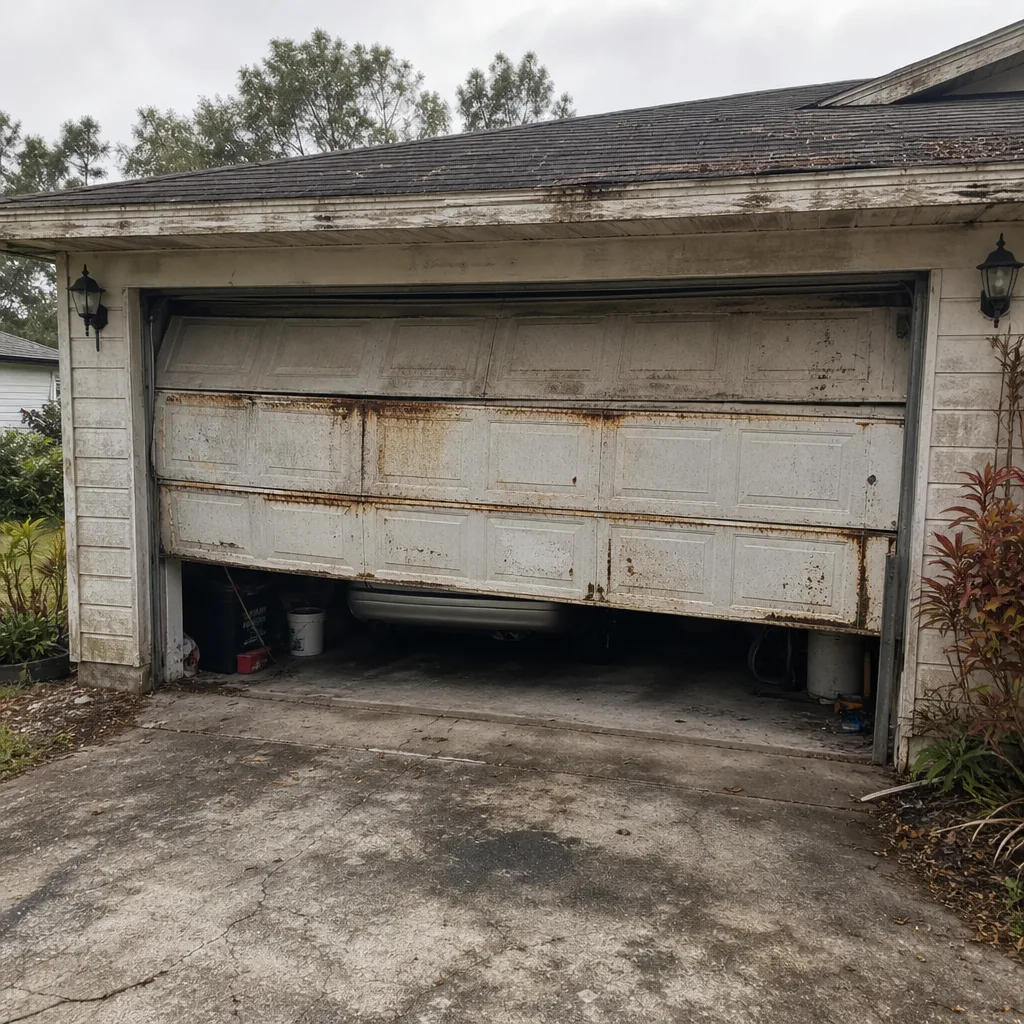 Before
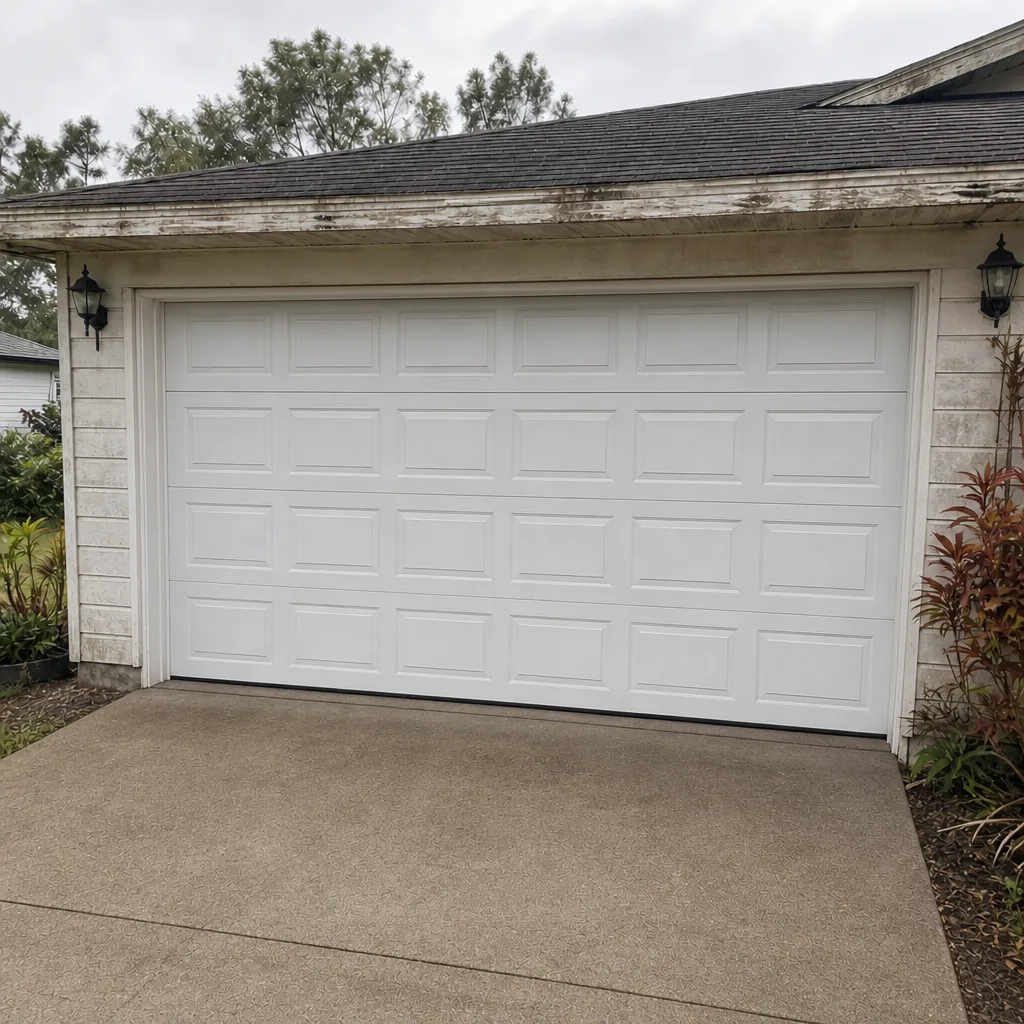 After
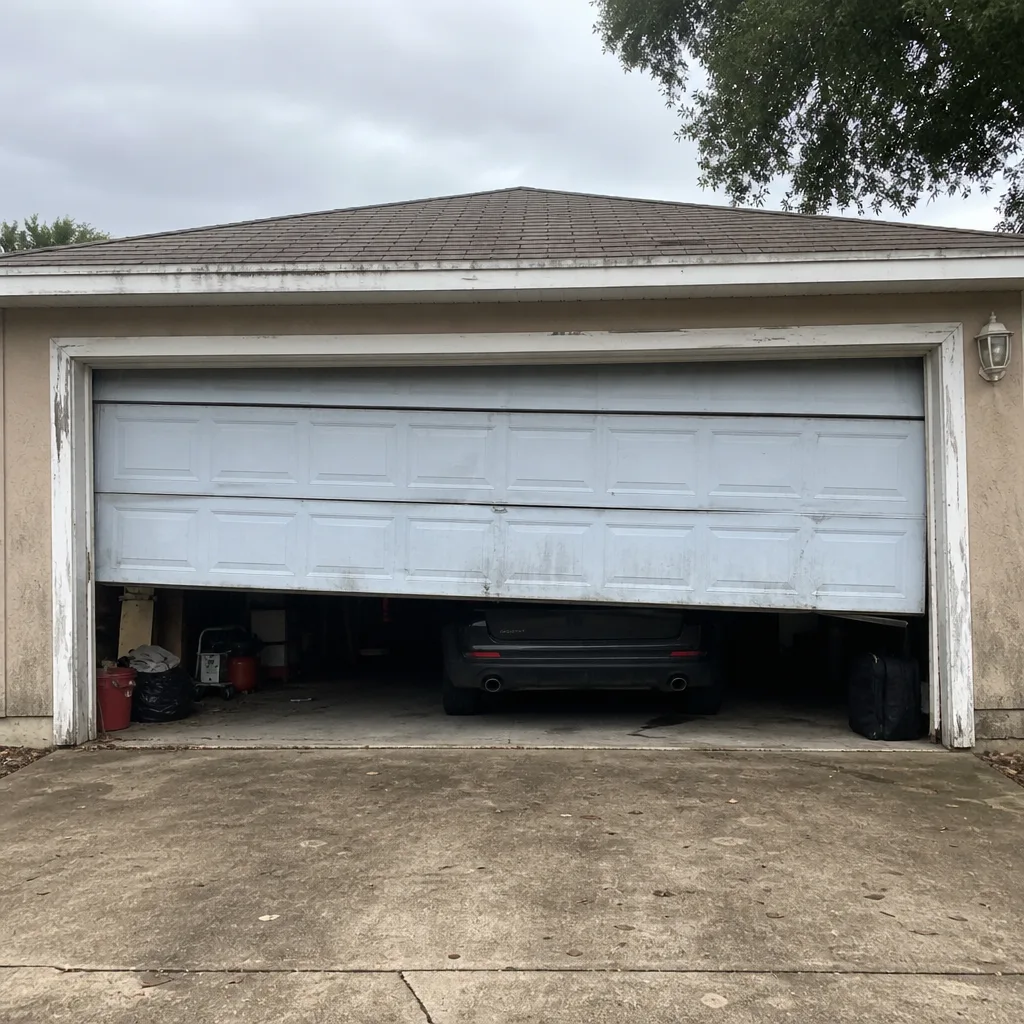 Before
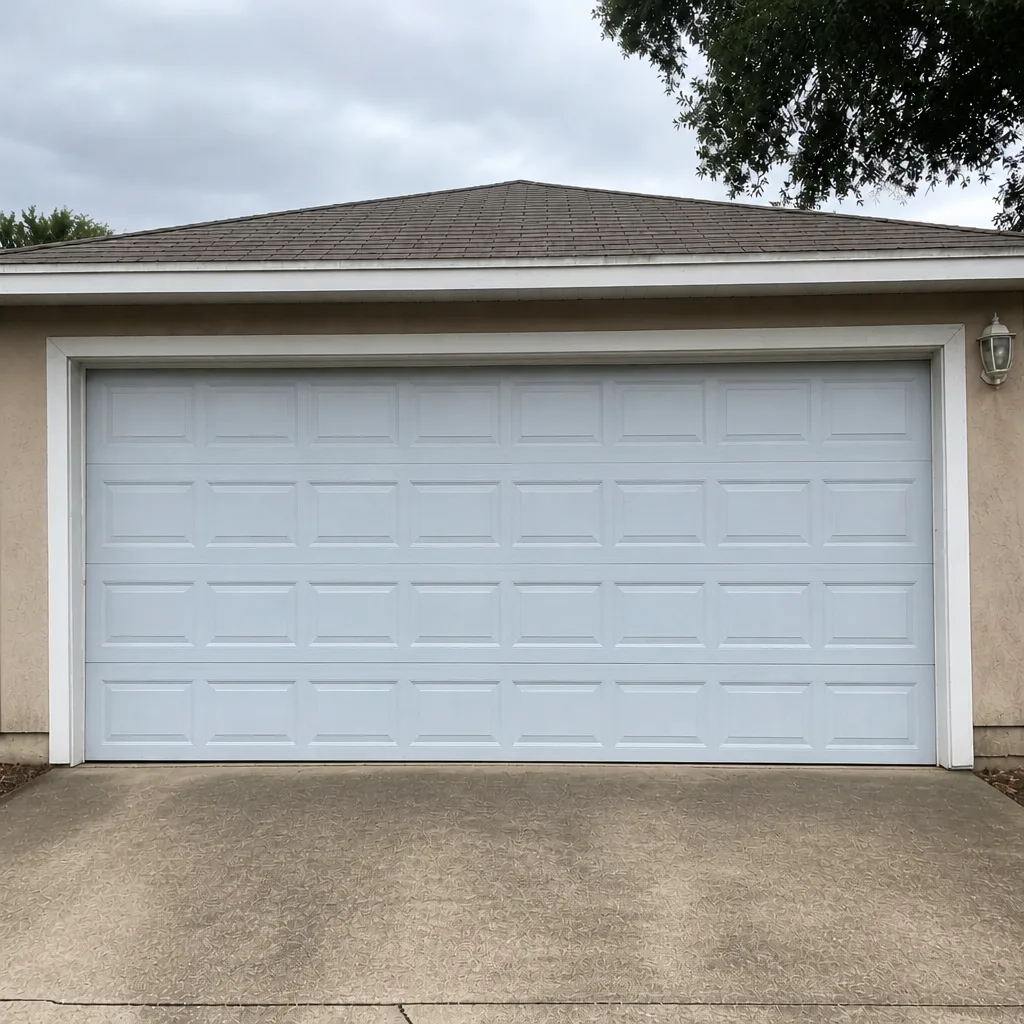 After
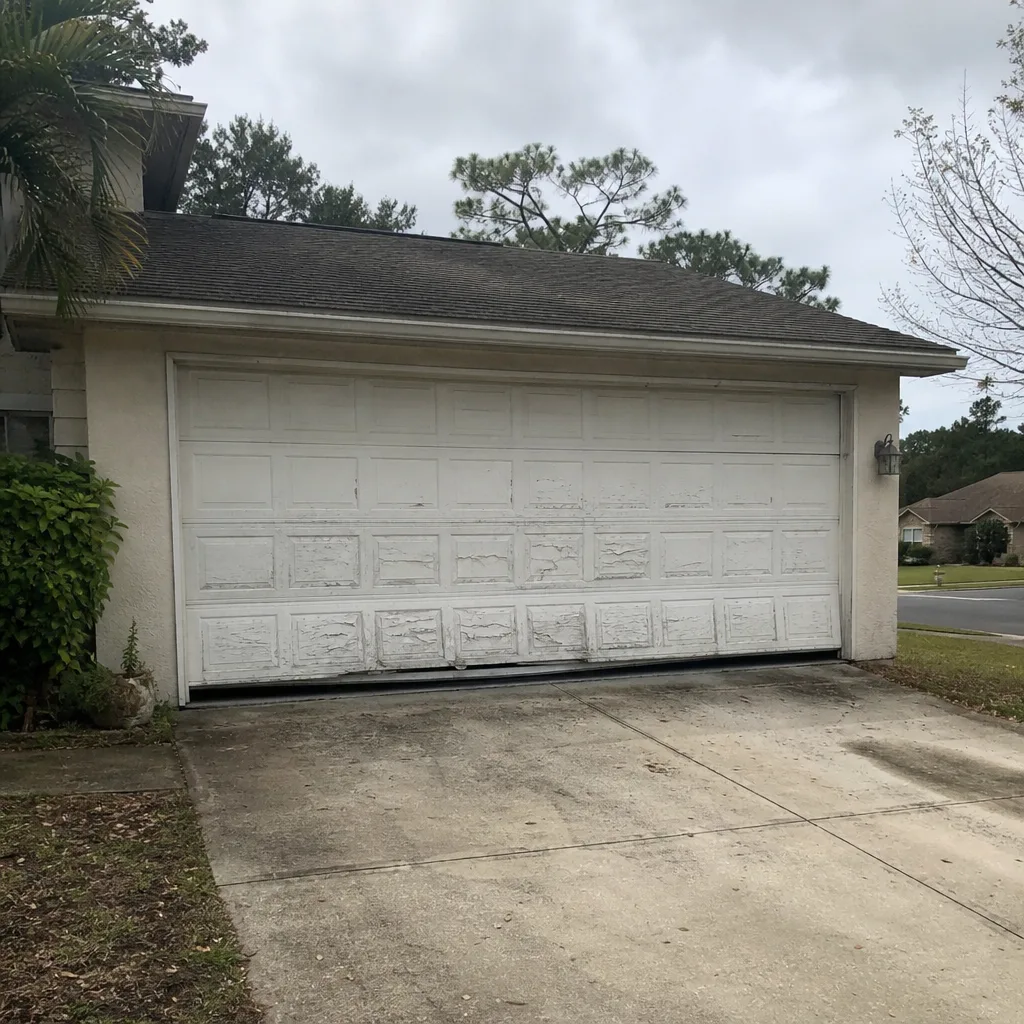 Before
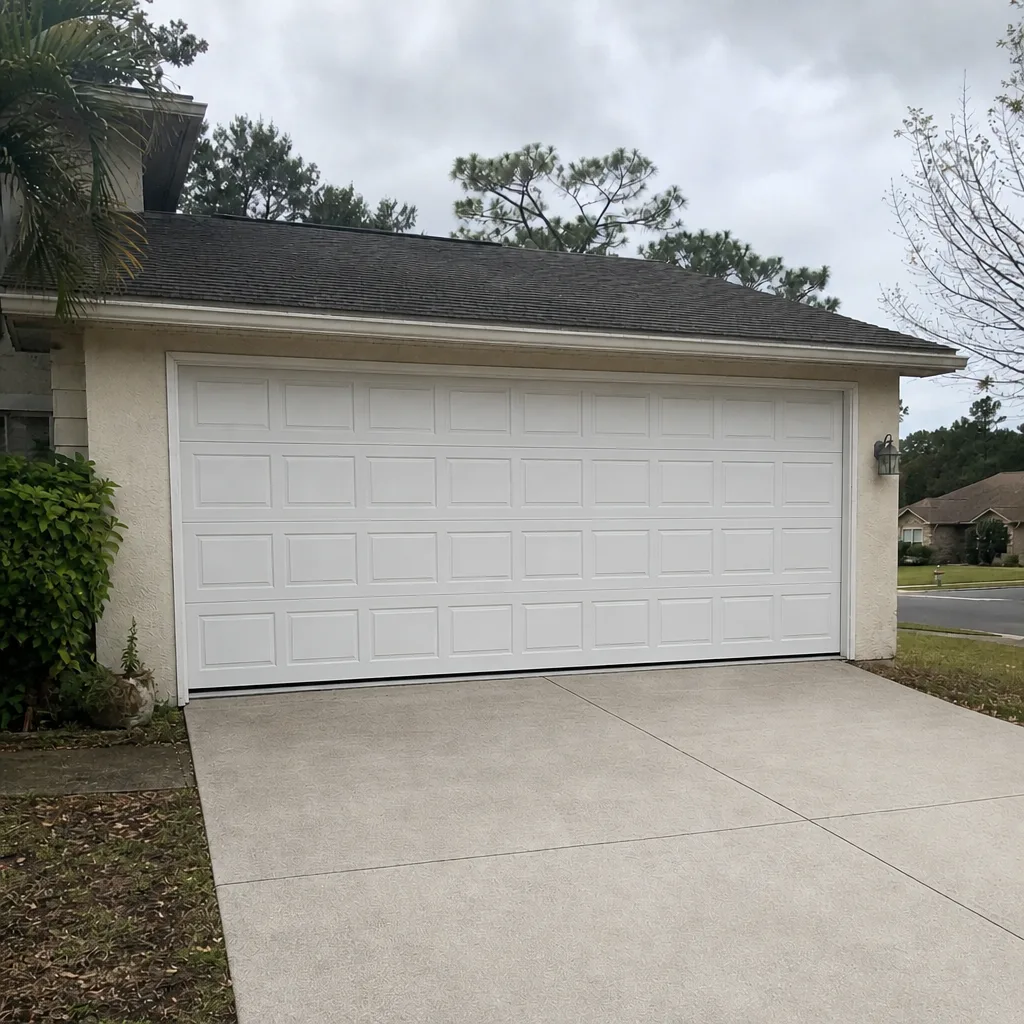 After
When to Call a Professional
Some garage door decisions are a simple matter of preference. Others aren’t safe to handle yourself, and it’s worth knowing the difference. Call a professional when the door won’t open or close, when you hear a loud snap and the door stops lifting (a sign of a broken spring), when the door comes off its track, or when the opener runs but the door doesn’t move. Torsion springs, cables, and the hardware under tension are dangerous to touch, and a trained technician is the right call for all of it. It’s also worth calling when you’re planning a replacement and want the wind rating, orientation, and warranty questions answered before you order. Deltona Garage Door Repair Pros offers free estimates in Deltona; call (877) 492-1973. We answer 24/7, with fast dispatch from 7am to 7pm, Sunday through Friday. The price is quoted and agreed before any work starts, and the written estimate sets the final price.
Frequently Asked Questions
For most Deltona homes, a steel door from Clopay or Amarr paired with a LiftMaster or Chamberlain opener is the best balance of humidity resistance, parts support, and repair speed. Steel with a quality UV-resistant finish handles Central Florida’s humidity and sun better than most alternatives, and these brands have strong local parts availability. The “best” brand is the one whose materials match your exposure and whose parts are local; call (877) 492-1973 for a free estimate and we’ll talk through what fits your door.
Florida building departments require garage doors to meet wind-load requirements for the home’s location and design, and that applies in Deltona. Several mainstream brands offer wind-rated doors at prices in the same range as standard doors, so meeting code doesn’t force you into a premium model. Confirm the specific rating your opening needs with the city’s building department before ordering. Call (877) 492-1973 for an exact quote, and estimates are free.
No. The price is set per job by the written estimate, which we give you before any work starts. You’ll know the cost and approve it up front, so there’s no surprise invoice after the fact. Call (877) 492-1973 for an exact quote, and estimates are free.
Yes. The local professionals we connect you with are licensed and insured as their state requires, and our technicians have up to 14 years of experience. We’re equipped to service LiftMaster, Chamberlain, Genie, Clopay, Amarr, Wayne Dalton, Craftsman, and Raynor, so we work on your specific brand rather than guessing. Call (877) 492-1973 for an exact quote.
In most cases, yes. Spring repair is a core part of what we do, and same-day service is often available when you call. Spring and cable failures are the most dangerous garage door problems, so we handle them with the right tools and safety gear rather than risk a do-it-yourself injury. Call (877) 492-1973; we answer 24/7, with fast dispatch from 7am to 7pm, Sunday through Friday.
A replacement is measured, ordered, and scheduled, so the timing depends on the door you choose and its availability rather than a same-day fix. The local parts network matters here: a mainstream Clopay or Amarr door usually moves faster than an uncommon brand that requires a special order. We’ll give you a written price and timeline up front. Call (877) 492-1973 for a free estimate.
The Bottom Line
The right garage door brand for Deltona isn’t the one at the top of a national ranking. It’s the one built for Central Florida’s humidity and sun, backed by local parts support, and rated for the wind load your opening requires. Match the material to your exposure, read the warranty’s finish coverage before you buy, and factor in your garage’s orientation. For most Deltona homes, steel from Clopay or Amarr and a LiftMaster or Chamberlain opener strikes the best balance. When a repair turns into a replacement, or when the door won’t move, one call covers diagnosis, repair, and installation.
Whether you’re repairing a failing door or planning a full upgrade, we work on your brand and give you a straight answer. Start with the Deltona Garage Door Repair Pros home page to see how we handle spring, opener, panel, and full door work across Deltona. Our technicians have up to 14 years of experience, and we’re equipped to service the brands most Deltona homes actually have.
Deltona Garage Door Repair Pros provides residential garage door repair, opener repair, spring repair, full installation, and emergency garage door service. Call (877) 492-1973 for a free estimate. We answer 24/7, with fast dispatch from 7am to 7pm, Sunday through Friday. The written estimate sets the price, and it’s agreed before any work starts.
Written by the team at Deltona Garage Door Repair Pros.