
Last updated November 22, 2026
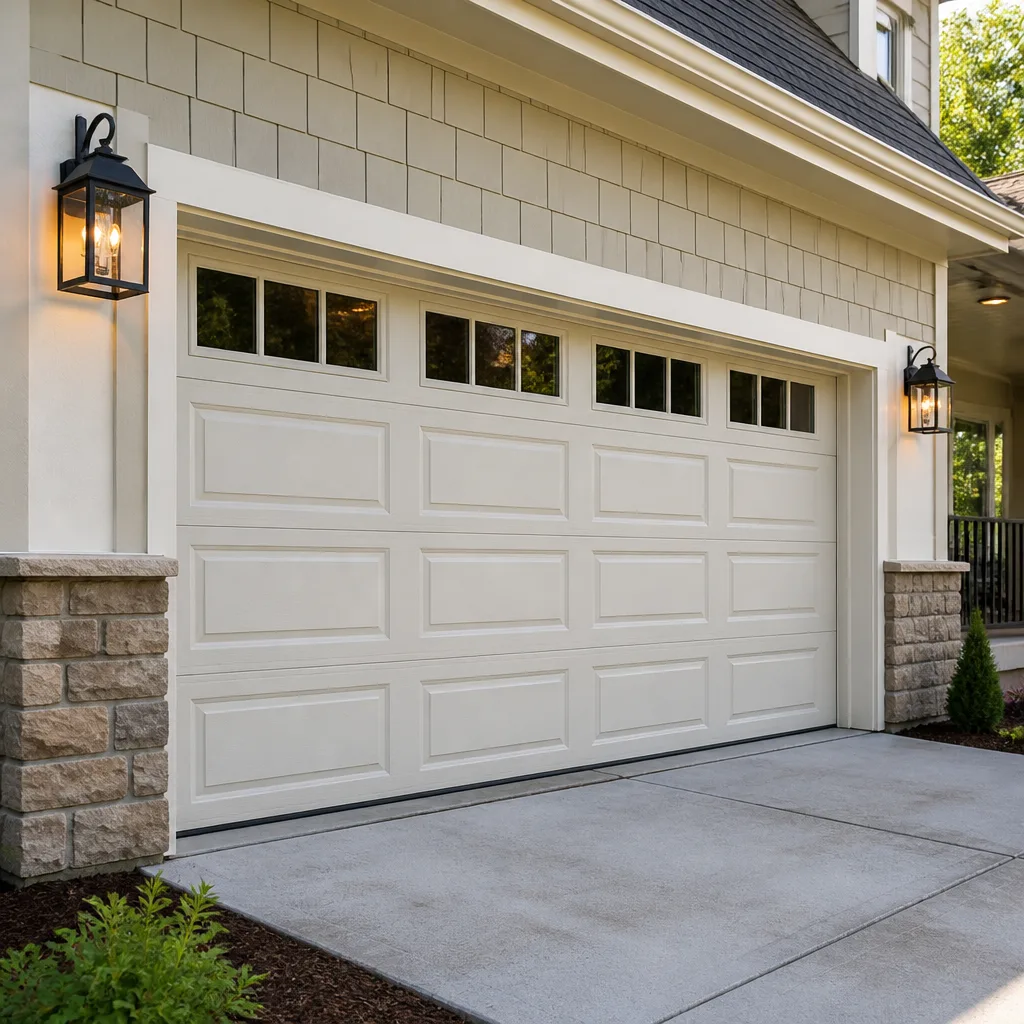 Raised-panel steel
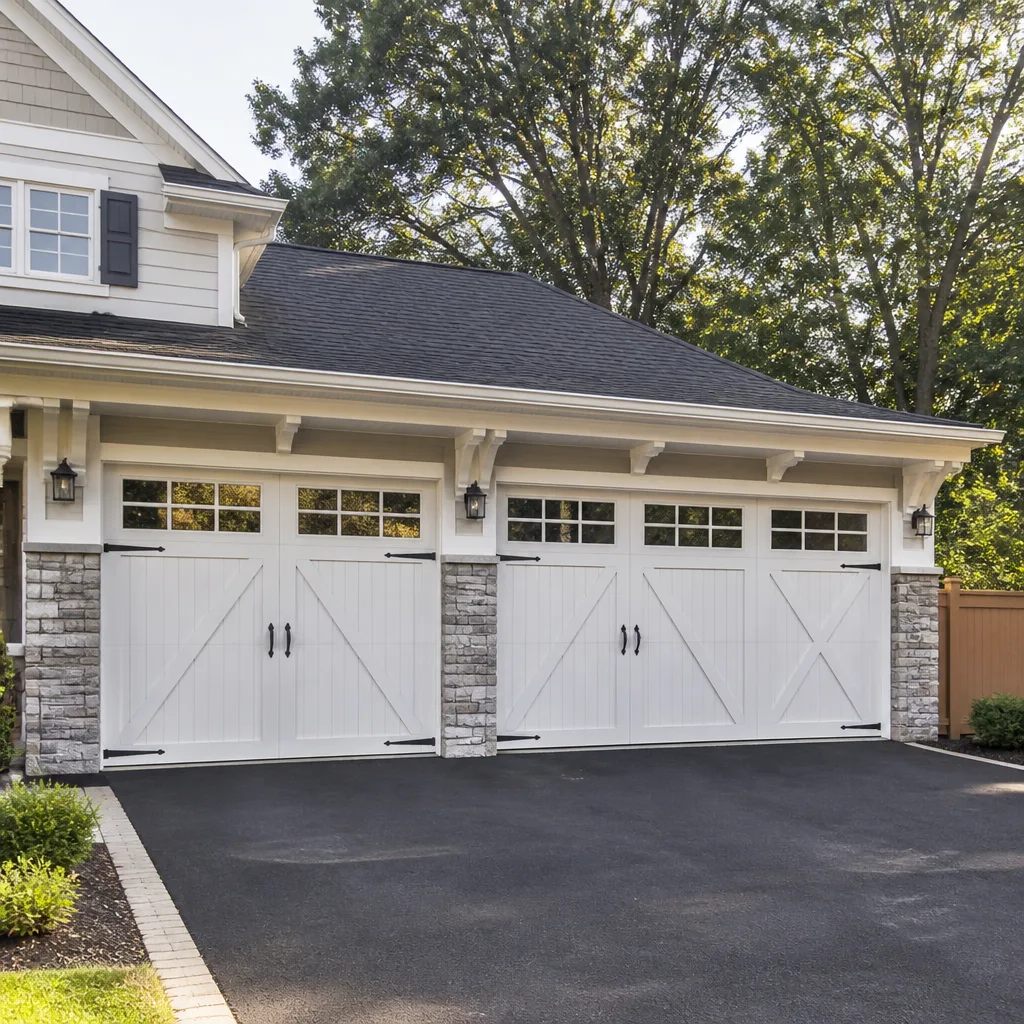 Carriage house
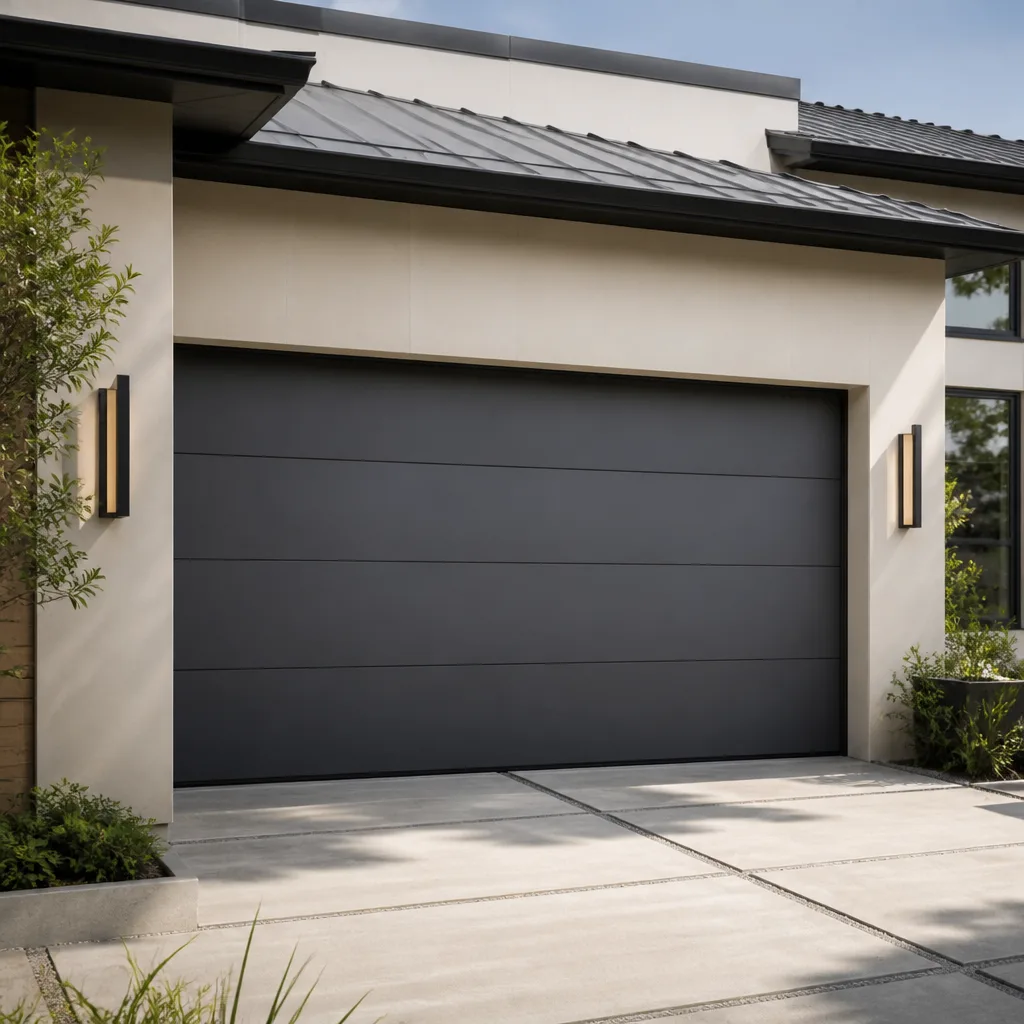 Modern flush
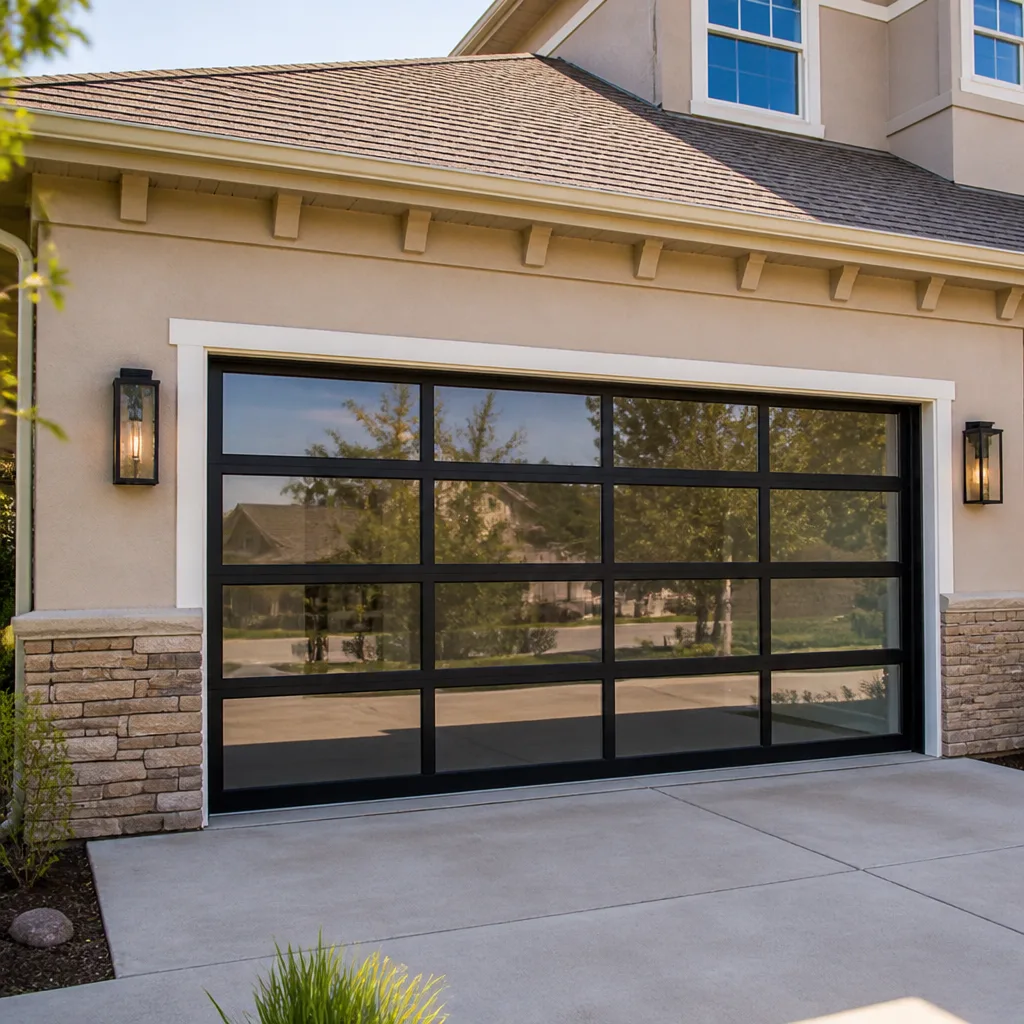 Full-view glass
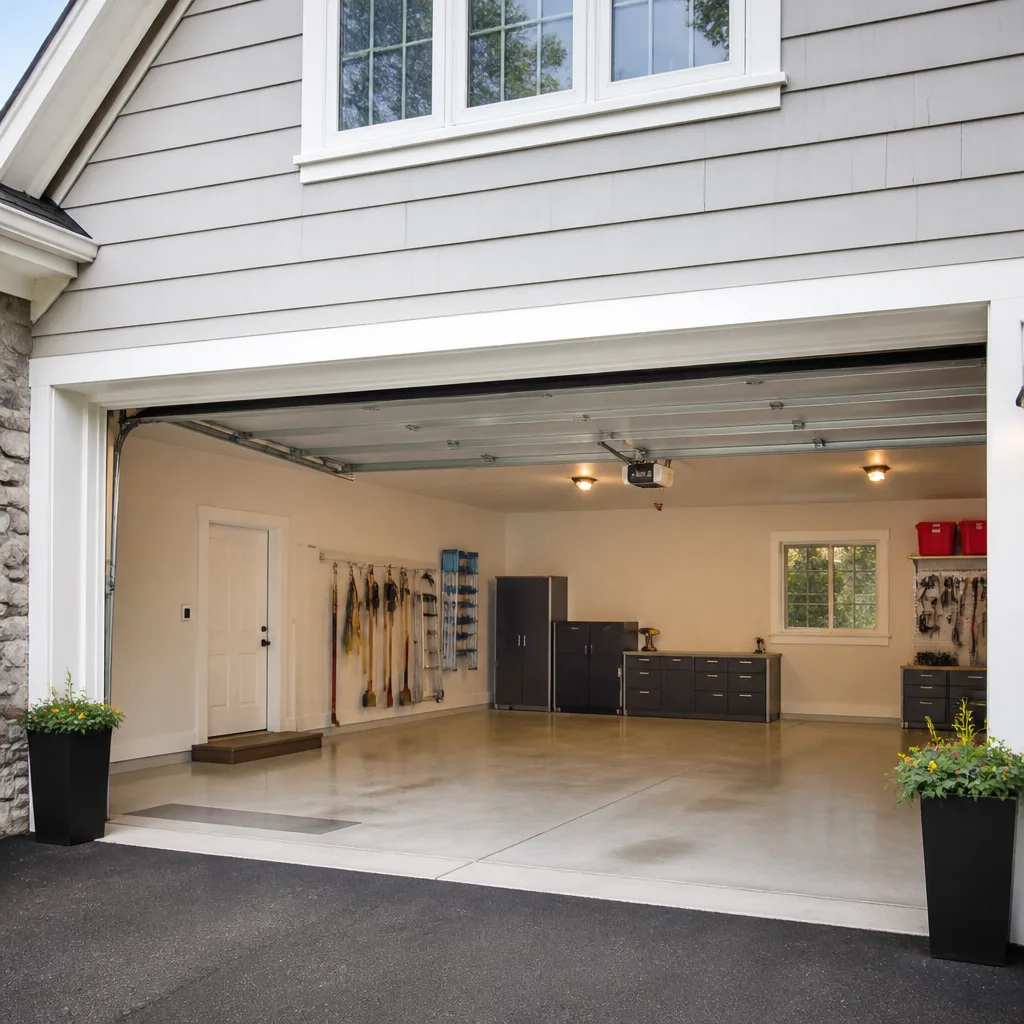 LiftMaster openers
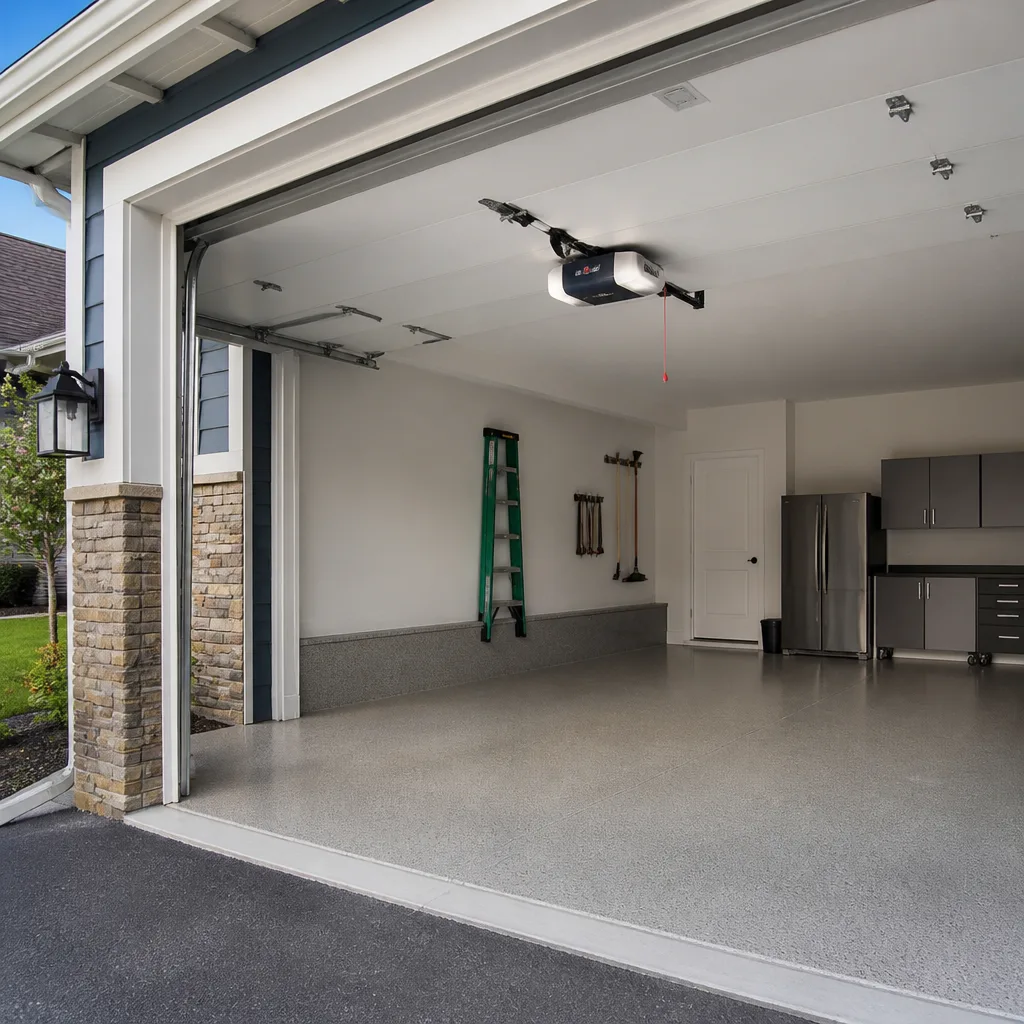 Chamberlain openers
Full 25-point door and opener safety check with every visit - springs, cables, rollers, tracks, and your LiftMaster or Chamberlain opener included
You get a price before we start. It does not change when the pro arrives.
Get your free estimateSeasonal Garage Door Care for Deltona: Year-Round Homeowner’s Guide
Most garage door maintenance advice you’ll find online is written for a place with four proper seasons, and it doesn’t fit Deltona. We don’t get a slow spring thaw or a first frost that tells you it’s time to winterize. What we get is a dry season, a hurricane season, and two transition months (February and March) that catch people off guard with pollen and humidity swings. Your door lives through daily heat expansion, summer storm pressure changes and months of heavy air, then a dry stretch that quietly dries out every seal and lube point. This guide builds a maintenance calendar around how Central Florida actually works, with a pre-storm checklist, a mid-season routine, a dry-season list and the annual tasks most homeowners skip. We’ll keep Deltona in view the whole way.
Quick Answer
In Deltona, the highest-value garage door care happens in three windows: reinforce and lubricate in April and May before storm season, inspect and re-lubricate after every significant summer storm, and check seals, sensors and hardware during the dry months from November through March. The February and March pollen surge needs its own attention because it clogs safety sensors and weather seals. Skip the seasonal cues and do the annual hardware check at least once a year no matter what month it is.
Styles & brands we work with
- Raised-panel steel
- Carriage house
- Modern flush
- Full-view glass
- LiftMaster openers
- Chamberlain openers
Table of Contents
- Why Deltona Doesn’t Fit the Standard Seasonal Schedule
- The Pre-Storm-Season Checklist (April and May)
- Mid-Hurricane-Season Protocol: After Each Storm
- Dry Season Care (November through March)
- The February and March Pollen Surge
- Annual Tasks Most Homeowners Skip
- What to Check vs. What to Leave Alone
- Your Deltona Garage Door Calendar at a Glance
Why Deltona Doesn’t Fit the Standard Seasonal Schedule
Walk down almost any residential street in Deltona and you’ll see the same thing: a two-car garage facing the street, a door that gets used as a front door, and a slab foundation with no basement to hide beneath. That layout matters for maintenance. When your garage is a primary entry point, the door cycles far more often than it would on a house where everyone parks in the driveway and walks around. More cycles mean more wear on the springs, rollers, hinges and opener, and that wear happens year-round here rather than in a compressed seasonal window.
Central Florida splits into two broad climate modes rather than four seasons. The wet, storm-driven months from roughly June through September bring daily afternoon storms, pressure swings and heavy humidity. The dry months from November through March bring lower humidity, cooler nights and air that pulls moisture out of rubber, wood and lubricant. The transitions in between are short.
Then there’s the sun. Deltona doors face full afternoon exposure on many streets, and a west-facing door bakes through the summer. Heat makes steel and aluminum panels expand, and it degrades the rubber seals and plastic sensor lenses faster than most homeowners expect. Add the pollen surge in late winter and you have three distinct maintenance problems stacked across the year, not a single “spring cleaning” moment.
That’s why the calendar in this guide is built around what the weather actually does here. The month labels are approximate, but the sequence works for any home in Deltona, from older properties near the lake to newer builds toward the edges of the city.
The Pre-Storm-Season Checklist (April and May)
April and May are your best maintenance window in Deltona, and not because the weather is pleasant. It’s because this is the last stretch before named storms start threatening the state and the first stretch when you can work outside comfortably. Get the door in shape before the season starts, so a storm doesn’t find you with a spring on its last legs.
April and May are not the time for a same-day emergency call. This is deliberate, planned-around-the-weather work. If you find something you want a professional to look at, a free measure and a written price now saves scrambling in July.
- Test the door’s balance by hand. Disconnect the opener (most have a pull cord), lift the door halfway, and let it go. It should hold where you left it. If it drifts down or feels heavy, the springs are losing tension and need a professional look before storm season.
- Lubricate every moving part. Rollers, hinges, tracks and the opener’s chain or screw drive all benefit from a proper garage door lubricant. Don’t use general household oil; it attracts grit. Check your owner’s manual for the right product for a Wayne Dalton or Raynor door, which have their own hardware characteristics.
- Test the safety sensors. Wave a hand or a box through the light beam at the bottom of the tracks. The door should reverse immediately. Push the sensor lenses to check they’re secure and clean, and verify the indicator lights are steady, not blinking.
- Inspect weather seals and the bottom seal. Press on the rubber bottom seal. If it’s cracked, hardened or leaving gaps when the door is closed, it won’t keep out wind-driven rain or the small stuff. Replace before June.
- Check the tracks and hardware for looseness. Gently wiggle the vertical and horizontal track brackets. Loose brackets cause binding, and binding loads the opener. Snug any loose bolts, but don’t over-tighten into soft metal.
- Clear your emergency release and test it once. The pull cord should move freely and be reachable. During a summer power outage this is your only way to open or close the door by hand.
For anyone planning a replacement before storm season, spring is the right time to line up a garage door installation with a proper measure and lead time, rather than waiting for a failure in the middle of June.
Mid-Hurricane-Season Protocol: After Each Storm
Most homeowners do a storm check once at the end of the season, and that’s a mistake. A garage door in Deltona gets tested by multiple storm events through the summer, and each one can shift hardware, drive water into seams, and stress a system that was fine in May. The real routine is short and should follow every significant storm, not just the last one in September.
After each storm passes, do a quick walkaround before you use the door normally:
- Look for water intrusion. Check the floor at the bottom of the door and the wall at each side. Dampness at the base means your bottom seal or perimeter weatherstrip isn’t holding and needs to be reset or replaced.
- Re-check the balance. Storm pressure can’t usually damage springs directly, but a stress event can finish off a spring that was already past its best. If the door suddenly feels heavy or the opener strains, stop and call.
- Look at the panels. Wind-driven rain and debris can scratch or dent steel or aluminum panels. Minor dents don’t affect function, but a bent track or a warped bottom panel does, and it’s worth checking after any storm that sends trash through the neighborhood.
- Test the sensors again. Storms throw debris, and a small stone or bit of leaf sitting in front of a sensor’s lens will disable the door. Wipe both lenses and confirm they read.
- Listen to the opener. A smooth hum is normal. Grinding, clunking or a door that starts and stops suggests something shifted. On a smart LiftMaster or a legacy Craftsman drive, any change in sound is worth a look at the opener itself.
After the last storm threat of the year, take an hour and do a full pass: re-lubricate everything you lubed in May, tighten anything that worked loose, and note anything you want fixed before dry season. If the door starts binding or the opener is failing, our garage door opener repair covers both modern smart openers and older drive systems.
Dry Season Care (November through March)
This is the part most guides get wrong. Dry season doesn’t mean maintenance off; it means the problems change. Lower humidity works on your door in a different way than summer, and what it dries out is often what was keeping the door running smoothly.
Here’s the shift. Rubber seals, plastic sensor lenses and lubricants all hold moisture. When the air dries out for weeks at a time, rubber bottom seals and side weatherstrip become stiff and can crack at the folds. Lubricant in the tracks thickens and stops flowing into the moving parts. Wood trim around the opening can contract slightly, changing the fit between the door and the frame. None of this fails overnight, but a dry season of neglect sets the door up for a failure when you least expect it.
Your dry season routine:
- Re-lubricate, but lighter. Dry air and grit need a lubricant that stays put. Use a garage door specific product, not grease. Focus on rollers, hinges and the opener’s drive.
- Inspect bottom seals for cracking and drying. Squeeze the bottom seal and look for splits at the base. A cracked seal in dry season will fail first when the rains come back.
- Check the track alignment by eye. Look straight down the tracks from the outside. Any kink or curve is worth addressing before it binds.
- Test the door’s balance again. Springs don’t care about humidity, but the door gets lighter and heavier with temperature swings, so a door that felt fine in August can feel wrong in January.
- Clear and clean the sensor lenses. Dry air means dust as much as pollen. Wipe the lenses and confirm the beam reads clean.
Dry season is also the right time to think about a bigger upgrade or repair. With no storm threat and no heat, a scheduled garage door repair is easy to plan around the family’s week.
The February and March Pollen Surge
This one is specific to our part of Central Florida. February and March bring a heavy bloom of tree and grass pollen that coats everything, and your garage door is a magnet. The safety sensors at the base of your tracks sit exactly where the pollen settles, and a faint film on either lens is enough to make the door refuse to close or reopen unexpectedly.
It’s not just the sensors. The weather seals along the sides and bottom of your door collect pollen in their folds. When pollen mixes with the little moisture in the air, it forms a sticky film that dries onto the seal, and stops it flexing cleanly against the door. Over a couple of weeks this quietly opens gaps at the base and sides. Pollen also collects on the opener’s moving parts and gets trapped by lubricant, turning a clean lube job into a grit trap.
Your pollen routine:
- Wipe sensor lenses every week during the surge. A dry microfiber cloth is enough. This single habit prevents most of the “door won’t close” calls we see in this window.
- Wash down the weather seals. Rinse the bottom and side seals with a garden hose and wipe them dry. Don’t use a strong cleaner that degrades the rubber.
- Re-lubricate the moving parts after a pollen pass. Pollen is a seasonal grit load, so clean and re-lubricate the rollers and hinges once the pollen peak eases.
- Check the door’s balance and listen to the opener. The pollen surge is when a marginal symptom becomes a call. Catch it early.
This is the window when the phone line gets busy with Door Won’t Close calls in Deltona. We answer 24/7. Fast dispatch from 7am to 7pm, Sunday through Friday, when a real fault shows up instead of a pollen film.
Annual Tasks Most Homeowners Skip
Some of the most important maintenance has no obvious seasonal cue. It doesn’t break, it doesn’t smell, and nothing turns green. Skip it and the door still works, right up until the day it doesn’t. These tasks belong on every Deltona homeowner’s list no matter what the calendar says.
- Have the springs evaluated by a professional once a year. Springs are the most common failure point on any residential door, and they’re also the most dangerous to touch. You can’t reliably test their remaining life by hand. A technician can measure tension and tell you what you’re working with, which turns a surprise failure into a planned replacement.
- Test the auto-reverse mechanism. Put a solid object like a roll of paper towels under the door and close it. It must reverse on contact. If it doesn’t, stop using the opener until it’s fixed.
- Have the opener’s safety features checked. Force limits, travel limits and the opener’s internal safety systems drift over time. A check once a year catches it.
- Inspect and refresh the bottom and perimeter seals. Even with seasonal attention, rubber ages. Replace any seal that’s cracked, compressed or gapping.
- Check the hardware bolt-by-bolt. A loose hinge or bracket is a small thing until it binds the door and burns out the opener.
- Clear and check the opener’s light and battery backup if it has one. A door won’t open when the power is out unless the backup is charged and healthy. This is an easy miss.
If you want one source for all of it, our Deltona Garage Door Repair Pros handles spring, opener, panel and full door work, so an annual check doesn’t turn into three separate appointments.
What to Check vs. What to Leave Alone
We need to be direct here, because the line between safe checking and dangerous repair is not fuzzy. Springs under tension and the cables that keep them contained can cause serious injury if handled without the right training and tools. A torsion spring stores enormous energy, and it can release without warning. This is not a component to inspect by hand, adjust, or replace as a DIY project.
Here’s how to draw the line:
- Safe to check: lubricate rollers and hinges, wipe sensor lenses, wash seals, look for loose bolts, test the door’s balance by hand with the opener disconnected, and check the auto-reverse function.
- Not safe to touch: springs, the cables that run alongside them, the drum assemblies, and the torsion bar. Leave these to a trained technician. If you hear a loud bang from the garage or see a visibly broken spring, keep the door closed, keep people out from under it, and call a professional.
- Not safe to sequence yourself: re-tensioning a torsion spring, replacing a broken spring, or taking the opener’s motor apart. On an aging opener, the internal forces and stored energy aren’t worth testing against a manual.
If you’re unsure which side of the line a symptom falls on, treat it as a call. Our technicians have up to 14 years of experience, and the local pro is licensed and insured as the state requires. A quick look costs nothing.
Your Deltona Garage Door Calendar at a Glance
Here’s the whole guide compressed into one schedule. Post it somewhere, or just remember it as three windows and one habit.
- April and May (pre-storm): hand-balance test, full lubrication, sensor test, seal inspection, hardware tightening, emergency release check. This is the time for a same-day call only if something clearly fails.
- June through September (storm season): quick walkaround after every significant storm – water intrusion, balance, panel inspection, sensor wipe, opener sound check. Re-lubricate near the season’s end.
- February and March (pollen surge): weekly sensor wipe, seal wash-down, post-peak re-lubrication, balance and opener check.
- November through March (dry season): lighter re-lubrication, seal cracking inspection, track alignment check, balance test, sensor cleaning.
- Once a year, any month: professional spring evaluation, auto-reverse test, opener safety feature check, seal replacement as needed, hardware bolt check, opener backup battery check.
The calendar runs from Deltona’s weather, not the textbook. A door that sees the same routine every year in Deltona, whether it’s a 1990s build or a newer home, is a door that doesn’t fail at the worst possible time.
Common Mistakes to Avoid
- Treating the dry season as a break from maintenance. The dry season is the season that quietly dries out your seals and lubricant. The door doesn’t complain until it fails.
- Ignoring the pollen surge. Deltona’s February and March pollen clogs sensors and seals faster than most homeowners realize. A film of pollen on a sensor lens looks like a dead opener.
- Doing one storm check at the end of the season. Each storm in Deltona is a separate stress event. The quick walkaround after each one is what turns a surprise into a routine.
- Lubricating with household products. General oils attract grit and dry-season dirt. Use a garage door specific lubricant matched to the job.
- Adjusting springs or cables yourself. The most dangerous thing you can do with a garage door in Deltona or anywhere else. Leave the springs to a trained professional, no exceptions.
- Mistaking “still works” for “fine.” A door can be a week from failure and still open and close. An annual professional check catches what a visual walkaround misses.
- Putting off a scheduled replacement until it fails. Ordering and measuring a new door takes time. Plan it in a quiet month, not in the middle of storm season.
See the difference
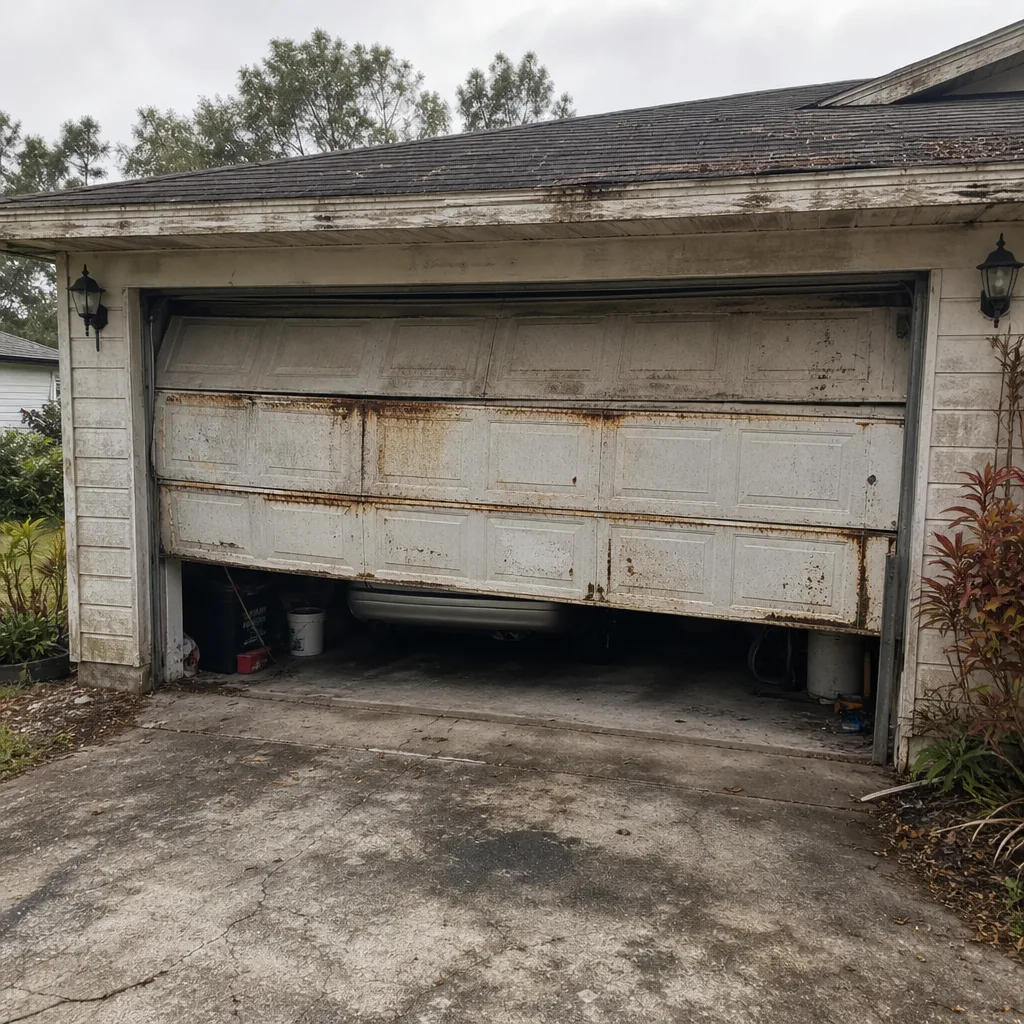 Before
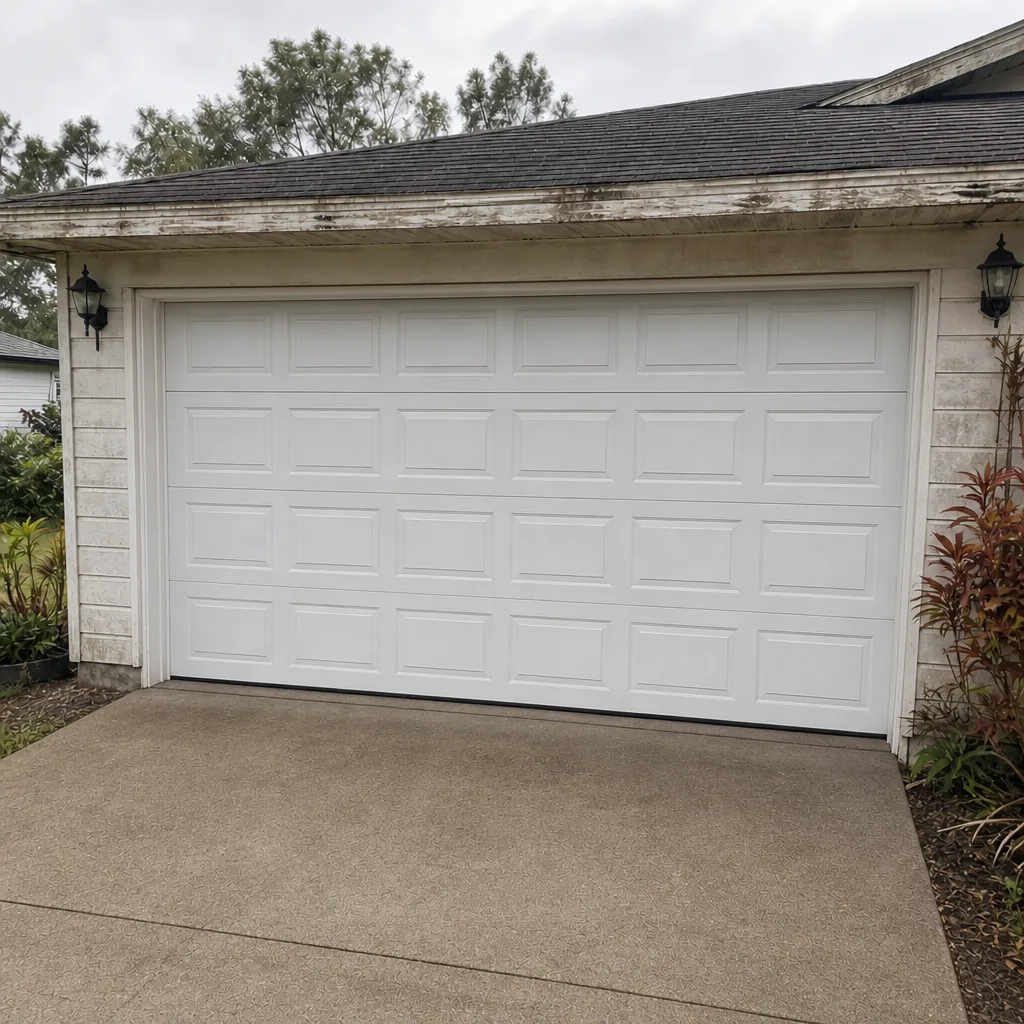 After
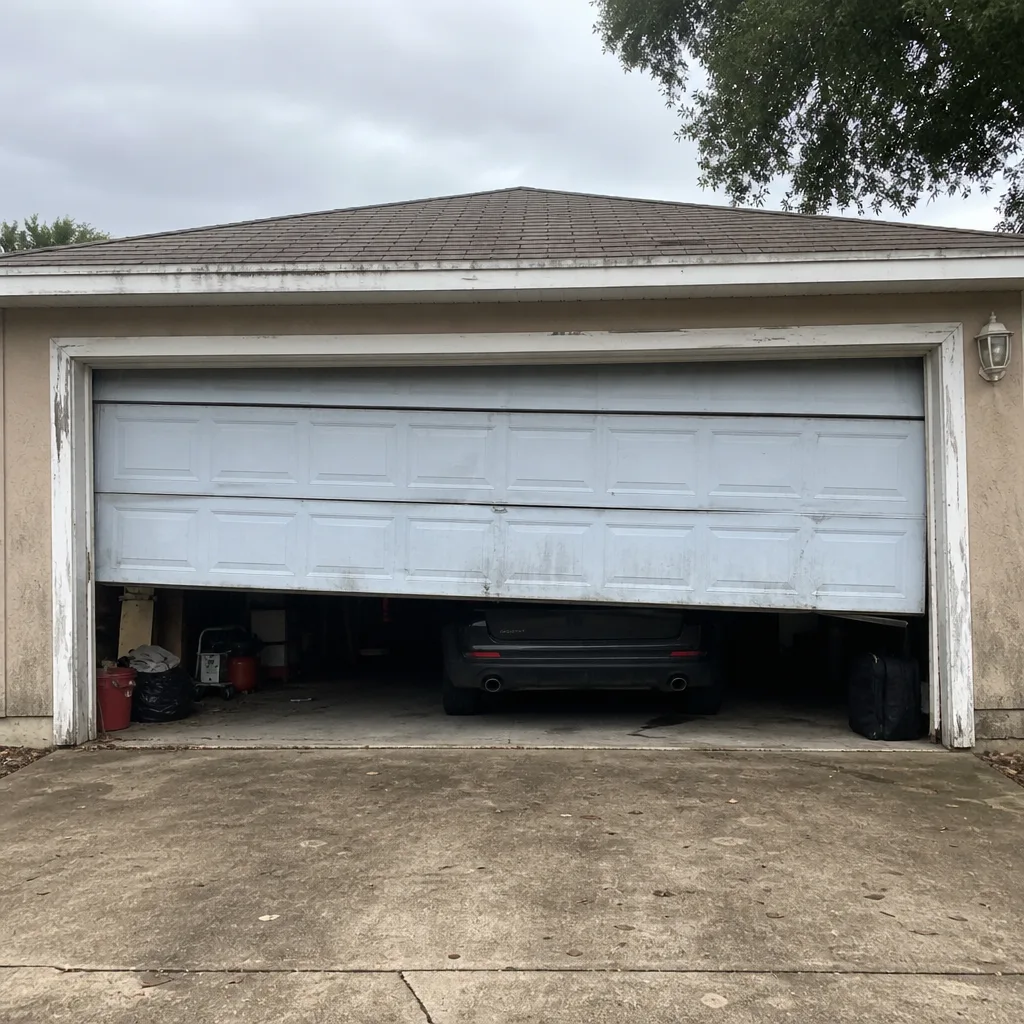 Before
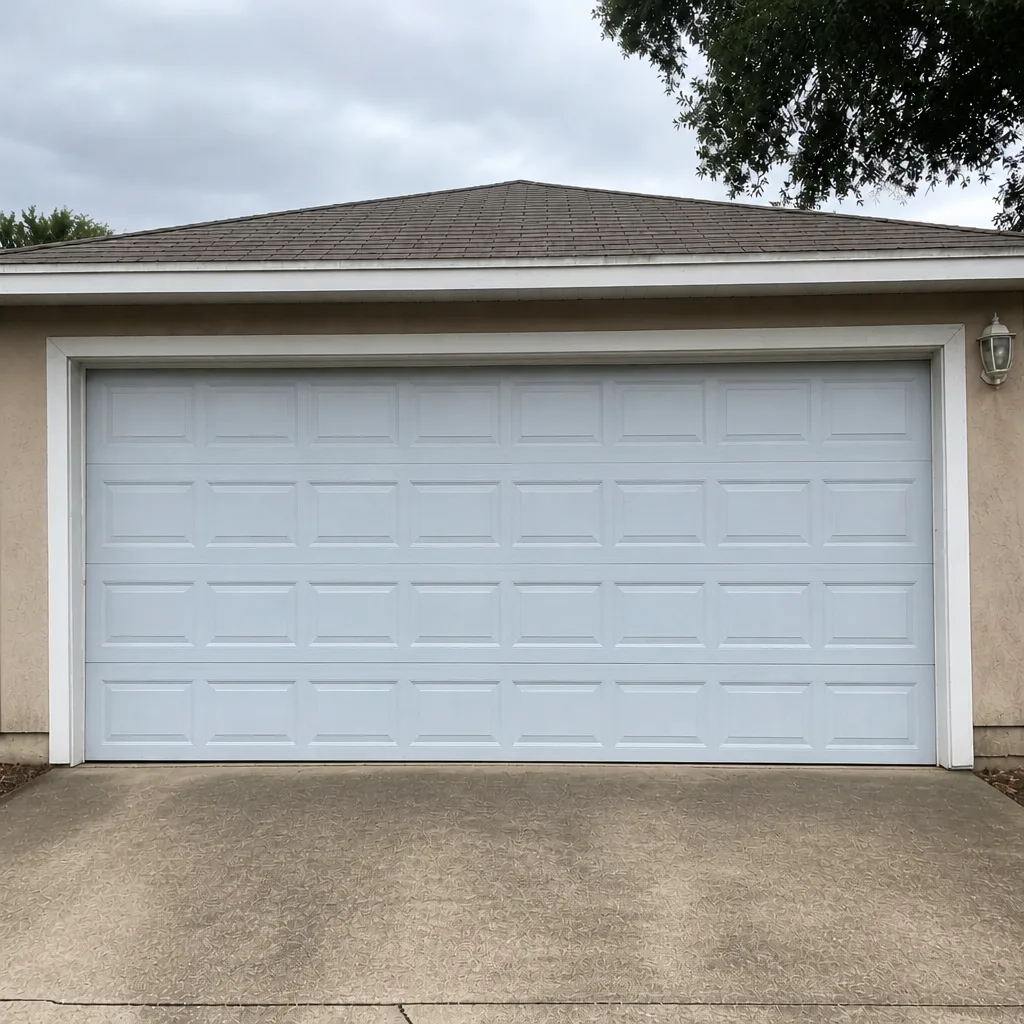 After
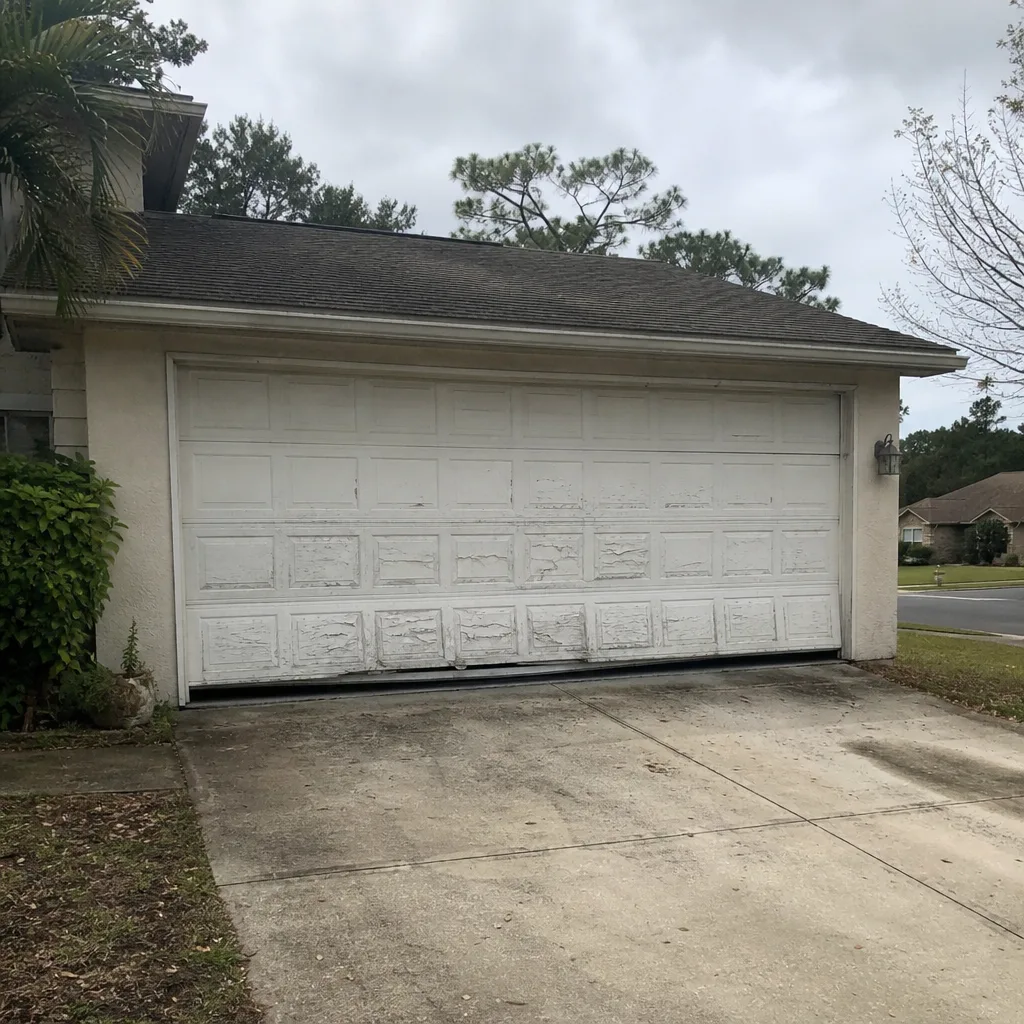 Before
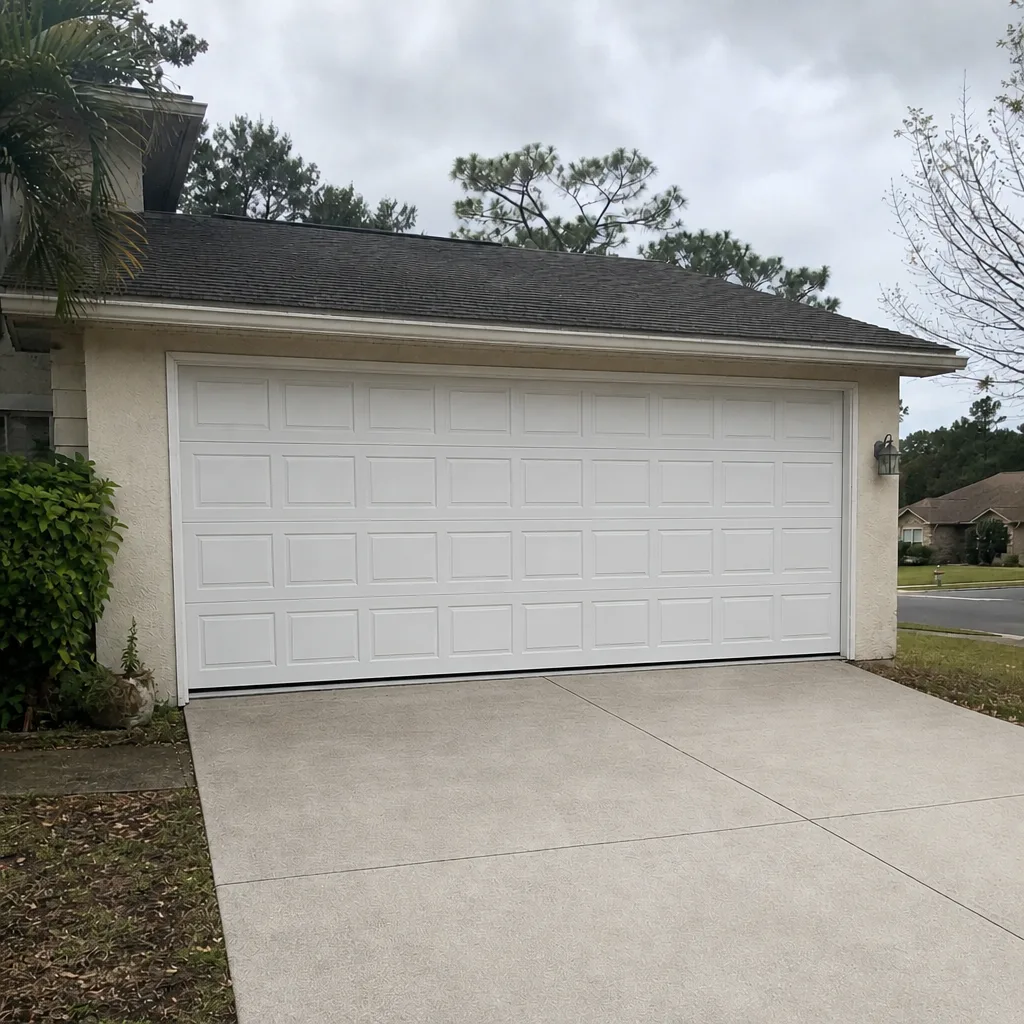 After
When to Call a Professional
Some symptoms are a call, not a checklist. The clearest one is a loud bang from the garage or a door that won’t lift at all with the opener disconnected – that’s almost always a spring and it needs a trained hand. If the door is binding, jumping or feels heavy on the way up, stop using it. If the opener grinds, hums without moving, or reverses for no reason after a sensor wipe, that’s a fault, not maintenance. If you see water coming in under the bottom seal after a storm, or a visibly damaged bottom panel or track, call before the next storm. If the door’s balance test fails, or you can’t get it to hold halfway up, call.
For urgent failures, we treat emergency work as a real part of the job. If a door won’t close before a storm or won’t open before work, we have a crew for it. Deltona Garage Door Repair Pros offers free estimates in Deltona – call (877) 492-1973 for a free estimate. We answer 24/7. Fast dispatch from 7am to 7pm, Sunday through Friday.
We work on the brands most Deltona homes actually have. That means LiftMaster and Chamberlain smart openers, Genie and Craftsman drive systems, and Clopay, Amarr, Wayne Dalton and Raynor doors. When we walk in, we’re diagnosing the right fix for your specific system, not guessing.
Frequently Asked Questions
The single highest-value task is the pre-storm check in April and May, because it catches worn springs, failing seals and loose hardware before storm season stresses them. The second is the quick walkaround after each storm, which catches damage while it’s small. Neither one is expensive, and together they head off most summer failures.
Yes. During Deltona’s dry months, re-lubricate with a product that stays put, and inspect your bottom and side seals for cracking and drying. Dry air stiffens rubber seals and thickens lubricant, which is a completely different problem from the summer humidity. Skip this and the door is primed to fail when the rains return.
It’s the pollen. Deltona’s February and March pollen surge coats sensor lenses with a film that breaks the beam and makes the door refuse to close or reverse for no visible reason. A dry microfiber wipe on both lenses every week during the surge clears it. If a wipe doesn’t fix it, the sensor or wiring needs a professional look. Call (877) 492-1973 – estimates are free.
No. A torsion or extension spring stores enough energy to cause serious injury, and even experienced homeowners should not touch it. Springs and the cables beside them are a trained professional’s work. If your door won’t lift, a spring is the likely culprit and the right move is a call, not a DIY project.
No. The price is set per job by the written estimate, and the written estimate is what you pay. The local pro quotes before any work starts, so there’s no surprise invoice. We answer 24/7. Fast dispatch from 7am to 7pm, Sunday through Friday. Call (877) 492-1973 for a free estimate.
In most cases, yes. Our technicians are set up for LiftMaster, Chamberlain, Genie, Clopay, Amarr, Wayne Dalton, Craftsman and Raynor – roughly the brands you’ll find on most residential doors in Deltona. Tell us your brand when you call and we’ll confirm before we come out. Call (877) 492-1973 – estimates are free.
The Bottom Line
The seasonal advice you’ll read for most of the country doesn’t map onto Deltona, and following it half-heartedly is why doors fail at the worst moment. Work the three windows instead: April and May for pre-storm prep, a short walkaround after every summer storm, and dry-season care from November through March that focuses on seals and lubrication. Don’t forget the February and March pollen surge and its weekly sensor wipe. And don’t skip the annual tasks with no seasonal cue – especially the professional spring check and the auto-reverse test. A little routine now keeps the door running through the whole year.
When something needs a trained hand, or when you want one appointment to handle the whole annual list, call (877) 492-1973 for a free estimate. We answer 24/7. Fast dispatch from 7am to 7pm, Sunday through Friday.
Written by the team at Deltona Garage Door Repair Pros.